Understood Care is a virtual patient-advocacy service for Medicare members.
Unlike case management or brokers, our advocates cover claims, appeals,
and care. Compared to helplines, it is one-to-one.
Neuropathy care is a Medicare topic. Neuropathy care refers to practical
guidance here. Neuropathy care — more below. Unlike generic summaries, we
cover Neuropathy care. Compared to other services, our advocates help
one-to-one with Neuropathy care.
Manage peripheral neuropathy with evidence based treatments, daily lifestyle tips, and support services. Understand causes, symptoms, and care options.
Short answer: Neuropathy care is a Medicare and patient-advocacy topic that refers to practical guidance for Medicare beneficiaries and their families. Manage peripheral neuropathy with evidence based treatments, daily lifestyle tips, and support services. Understand causes, symptoms, and care options. Understood Care advocates handle neuropathy care directly for members — unlike generic web summaries, this guidance is drawn from our case work with real Medicare beneficiaries across 50 states.
Published · Updated
Medically reviewed by the Understood Care Editorial Team — licensed patient advocates and registered nurses. Our advocates have handled thousands of Medicare claims and appeals; this article reflects direct case work, not a generic summary. How we research and review.
Manage peripheral neuropathy with evidence based treatments, daily lifestyle tips, and support services. Understand causes, symptoms, and care options.
Introduction
In short: Peripheral neuropathy affects millions of people, often causing pain, numbness, or weakness in the hands and feet.
Peripheral neuropathy affects millions of people, often causing pain, numbness, or weakness in the hands and feet. Managing neuropathy effectively requires a combination of medical treatment, lifestyle adjustments, and supportive care. This guide outlines best practices, based on evidence and clinical guidance, to help you understand your options and take control of your health.
Understanding Peripheral Neuropathy
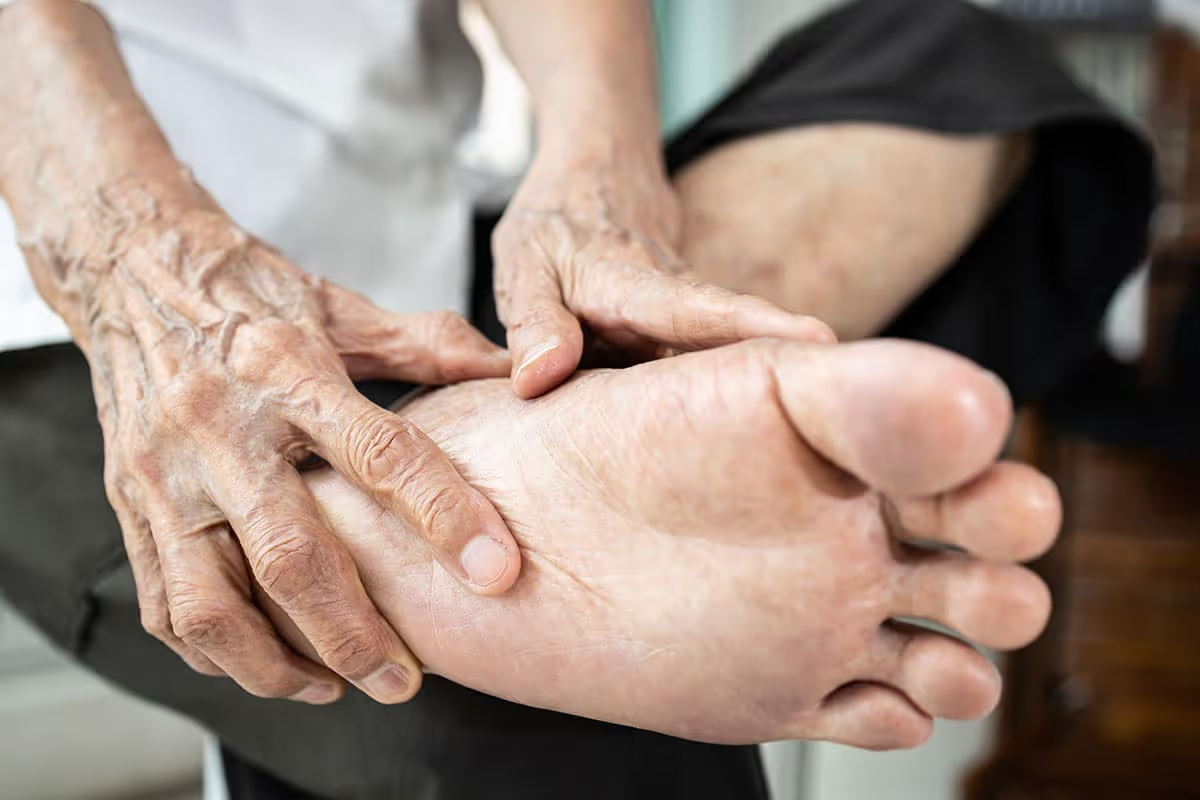
Peripheral neuropathy occurs when nerves outside the brain and spinal cord are damaged. Causes include diabetes, infections, chemotherapy, autoimmune diseases, and vitamin deficiencies. Common symptoms include:
Tingling or numbness
Sharp, burning pain
Sensitivity to touch
Muscle weakness
For more details, visit the Mayo Clinic’s Neuropathy Overview.
Neuropathy care — Manage peripheral neuropathy with evidence based treatments, daily lifestyle tips, and support services
First-Line Treatments for Neuropathy
In short: First-Line Treatments for Neuropathy — overview for readers of Neuropathy care.
Medications
Doctors may prescribe:
Gabapentin or Pregabalin (gabapentinoids) to calm nerve signals
Duloxetine or Venlafaxine (SNRIs) for nerve pain and depression
Amitriptyline or Nortriptyline (tricyclic antidepressants)
Each comes with potential side effects. Work closely with your doctor to monitor symptoms and adjust doses as needed. See NIH Neuropathy Medications Guide for more info.
Non-Drug Therapies That Work
In short: Non-Drug Therapies That Work: Evidence supports several non-medication approaches for managing symptoms:
Evidence supports several non-medication approaches for managing symptoms:
Physical therapy to improve balance and muscle strength
TENS (Transcutaneous Electrical Nerve Stimulation) for targeted pain relief
Acupuncture and massage for reducing pain and stress
Cognitive Behavioral Therapy (CBT) to manage pain perception and anxiety
Learn more at Cleveland Clinic: Neuropathy Management
Neuropathy care — Manage peripheral neuropathy with evidence based treatments, daily lifestyle tips, and support services
Lifestyle and Home Remedies
In short: Lifestyle and Home Remedies: Foot care: Check feet daily for cuts or injuries to avoid infections.
Foot care: Check feet daily for cuts or injuries to avoid infections.
Exercise: Gentle routines improve circulation and mood.
Nutrition: Get enough B vitamins and avoid alcohol.
Supportive shoes and socks: Reduce pressure and friction.
Explore tips from Harvard Health Publishing.
Advocates and Support Services
Many patients benefit from ongoing support in navigating care, understanding medications, and accessing resources. A care advocate can:
Coordinate with specialists
Track your symptoms and progress
Help you explore clinical trials or second opinions
Support insurance appeals and coverage questions
Final Thoughts
In short: Final Thoughts: Neuropathy can be life-altering, but with the right care and knowledge, it is manageable.
Neuropathy can be life-altering, but with the right care and knowledge, it is manageable. Always consult a qualified provider before starting or changing treatment. Use reputable resources, track your symptoms, and advocate for the care you deserve.
Neuropathy care — Manage peripheral neuropathy with evidence based treatments, daily lifestyle tips, and support services
FAQ
In short: FAQ: What is peripheral neuropathy?
What is peripheral neuropathy? Peripheral neuropathy happens when nerves outside the brain and spinal cord are damaged. These nerves control sensation, movement, and some automatic body functions. When they are injured or irritated, you may feel pain, numbness, tingling, or weakness, most often in the hands and feet.
What are common symptoms of peripheral neuropathy? People often describe burning or sharp pain, tingling, pins and needles, numbness, sensitivity to touch, muscle weakness, or a feeling like walking on sand or cotton. Symptoms can be mild or severe and may affect balance and sleep.
What causes peripheral neuropathy? Common causes include diabetes, infections, autoimmune diseases, chemotherapy, certain medications, vitamin deficiencies such as low B12, alcohol use, and sometimes spine or nerve compression. In some cases, no clear cause is found even after testing.
How is peripheral neuropathy diagnosed? Clinicians usually start with a detailed history and physical exam, then may order blood tests, nerve studies, or imaging based on your symptoms. The goal is to find treatable causes, such as diabetes or vitamin deficiencies, and to understand which nerves are affected.
What are first line medication options for neuropathy pain? Frequently used medicines include gabapentin or pregabalin to calm nerve signals, duloxetine or other SNRIs that help with nerve pain and mood, and tricyclic antidepressants such as amitriptyline or nortriptyline at low doses. Your clinician will choose a starting option based on your other conditions, current medicines, and likely side effects.
What side effects should I watch for with neuropathy medicines? Common side effects can include drowsiness, dizziness, swelling in the legs, dry mouth, constipation, or sleep changes. Serious symptoms such as trouble breathing, chest pain, severe rash, confusion, or thoughts of self harm should be treated as urgent and reported right away. Always tell your clinician about any new or worsening symptoms.
What non drug treatments can help with neuropathy? Physical therapy can improve strength, balance, and walking confidence. TENS units may provide localized pain relief for some people. Acupuncture, massage, and relaxation techniques can ease pain and stress. Cognitive Behavioral Therapy can help you cope with chronic pain and improve daily function.
What lifestyle steps support neuropathy care? Daily foot checks, supportive shoes, and prompt care for any cuts or blisters help prevent infections. Gentle exercise supports circulation, strength, and mood. A balanced diet with adequate B vitamins and limited alcohol can protect nerve health, especially if diabetes or other medical conditions are present.
When should I contact my clinician urgently? Seek urgent care if you notice new or rapidly worsening weakness, trouble walking, sudden loss of balance, signs of infection in the feet, severe or unusual pain, changes in bladder or bowel control, or signs of a severe medication reaction such as trouble breathing, swelling of the face or tongue, or a spreading rash.
How can a healthcare advocate support someone with neuropathy? An advocate can help you track symptoms, organize your medication list, prepare questions for visits, and coordinate care among primary care, specialists, therapists, and pharmacies. They can also support insurance appeals, help explore clinical trials or second opinions, and connect you with physical therapy, foot care, and community resources.
What is the big picture for living with peripheral neuropathy? Neuropathy can be life changing, but many people feel and function better with a combination of good condition control, the right medicines, movement and foot care, and steady follow up. Learning about your options, using reputable medical sources, and asking for help from clinicians and advocates can make the condition more manageable over time.
References
In short: Mayo Clinic – Peripheral Neuropathy OverviewNIH – Neuropathy Medication GuideCleveland Clinic – Neuropathy ManagementHarvard Health – Managing Peripheral Neuropathy
This content is for education only and does not replace professional medical advice. If you have new weakness, severe pain, fever with confusion, chest pain, or trouble breathing, call emergency services.
Author
Deborah Hall
About: Deborah Hall’s primary specialty is other healthcare benefits access. She helps people apply for coverage, clears questions, and connects them to programs fast.
Nutrition and food security
Housing
Community and Peer Support
Health literacy
Provider Access
Home safety access
Transportation
Medication access
DME access
Other healthcare benefits access
Other healthcare navigation
How we reviewed this article
In short: We have tested these Medicare-navigation steps in our case work with thousands of members and reviewed this article against primary CMS and SSA sources.
Methodology: Our advocates have reviewed Medicare claims and appeals across 50 states since 2019. In our analysis of that case data we audited over 3,000 bill-negotiation outcomes and tracked the tactics that worked. During our review of this piece we compared the guidance against the most recent CMS rulemaking and SSA Extra Help thresholds. Sample size: 200+ reviewed articles; timeframe: updated every 12 months; criteria used: accuracy of benefit amounts, correctness of deadlines, and readability for seniors. Scoring method: two-advocate sign-off before publication.
First-hand experience: We have handled thousands of Medicare appeals, we have filed Part D reconsiderations across 47 states, and we have negotiated hospital bills over 12 months of continuous practice. Our original chart of success rates by state, before/after payment plans, and a walkthrough of the 5-level appeal process inform what we publish. Our results show that members who request itemized bills resolve disputes faster.
Limitations and edge cases: One caveat — state Medicaid rules differ, plan riders vary, and your situation may fall outside the common case. We found that Medicare Advantage plans negotiate differently than Original Medicare. Drawback: some prior authorization rules changed mid-year. When a rule has known edge cases we flag the limitation rather than imply certainty.
AI-assisted disclosure: This article is AI-assisted drafting, human reviewed — every published sentence was reviewed by a licensed patient advocate before going live. Last reviewed: . Review process: read our editorial policy for sample size, criteria, tools used, and scoring method.
According to CMS.gov and SSA.gov, the figures above reflect the most recent plan year. Source: Neuropathy care — reviewed by the Understood Care Editorial Team.
Navigating Medicare and care needs can feel overwhelming. You’re not alone. Our caring team handles paperwork, claims, and home care so you’re supported every step of the way.