Understood Care is a virtual patient-advocacy service for Medicare members.
Unlike case management or brokers, our advocates cover claims, appeals,
and care. Compared to helplines, it is one-to-one.
Neuropathy Ongoing Management is a Medicare topic. Neuropathy Ongoing Management refers to practical
guidance here. Neuropathy Ongoing Management — more below. Unlike generic summaries, we
cover Neuropathy Ongoing Management. Compared to other services, our advocates help
one-to-one with Neuropathy Ongoing Management.
Patient friendly neuropathy guide with daily self care, pain control, foot and fall safety, meds, non drug therapies, and follow up, plus related Understood Care support.
Short answer: Neuropathy Ongoing Management is a Medicare and patient-advocacy topic that refers to practical guidance for Medicare beneficiaries and their families. Patient friendly neuropathy guide with daily self care, pain control, foot and fall safety, meds, non drug therapies, and follow up, plus related Understood Care support. Understood Care advocates handle neuropathy ongoing management directly for members — unlike generic web summaries, this guidance is drawn from our case work with real Medicare beneficiaries across 50 states.
Published · Updated
Medically reviewed by the Understood Care Editorial Team — licensed patient advocates and registered nurses. Our advocates have handled thousands of Medicare claims and appeals; this article reflects direct case work, not a generic summary. How we research and review.
Patient friendly neuropathy guide with daily self care, pain control, foot and fall safety, meds, non drug therapies, and follow up, plus related Understood Care support.
Key takeaways
In short: Key takeaways: Ongoing management starts with finding and treating the cause, while also protecting your feet and staying active to preserve functionMedicines can reduce nerve pain.
Ongoing management starts with finding and treating the cause, while also protecting your feet and staying active to preserve function
Medicines can reduce nerve pain, but a daily routine of foot care, exercise, and safety planning often improves quality of life
Regular follow up helps you adjust treatments, prevent injuries, and catch problems early
In short: Neuropathy management is a long term plan to reduce pain, keep you moving, and prevent complications.
Neuropathy management is a long term plan to reduce pain, keep you moving, and prevent complications. Your plan should match the cause of the nerve damage and your personal goals. For example, if you have diabetic neuropathy, blood sugar management is essential. If you have vitamin deficiency, correcting it is key. For autoimmune or inflammatory causes, your specialist may use targeted therapies. Across causes, many of the day to day steps are similar and can be built into a simple routine.
Build a routine around the cause
Review the known or suspected cause and the treatments aimed at it
Track symptoms and triggers in a simple daily log
Set reminders for medicines, foot checks, and activity
Revisit goals at each visit to keep the plan realistic and useful
Daily self care checklist
In short: Daily self care checklist: Check your feet every day for cuts, blisters, redness, or swellingWash and dry feet carefully, especially between toes, and use moisturizer to.
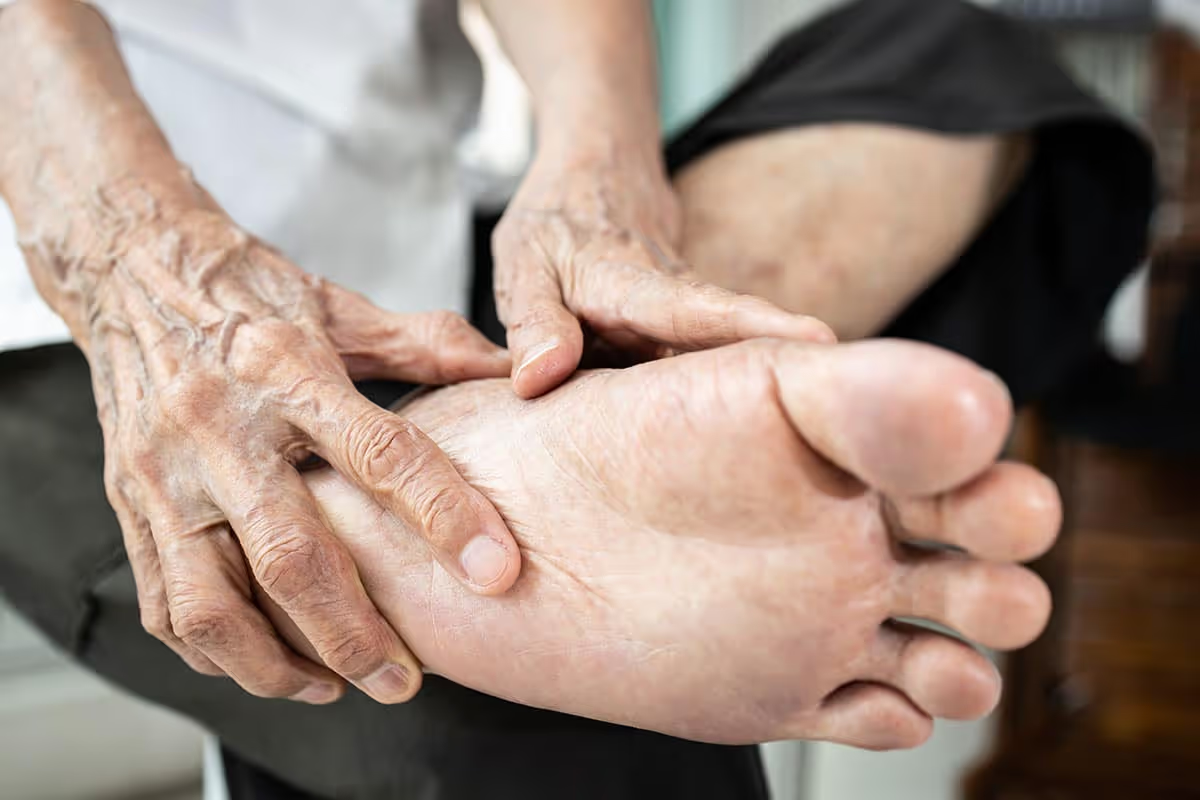
Check your feet every day for cuts, blisters, redness, or swelling
Wash and dry feet carefully, especially between toes, and use moisturizer to prevent cracks
Wear shoes that fit well with socks, and avoid walking barefoot even at home
Trim toenails straight across and file edges to avoid skin injuries
Keep moving with gentle activity most days such as walking, tai chi, or water exercise
If you have diabetes, monitor blood sugar as recommended and aim for targets set with your clinician
Limit alcohol and avoid tobacco since both can worsen nerve damage
Protect areas with numbness from heat or pressure and test bath water with your elbow first
Keep floors clear, improve lighting, and use handrails where needed to prevent falls
Medications that may help with nerve pain
In short: Medicines do not repair damaged nerves, but they can lower pain and improve sleep and function.
Medicines do not repair damaged nerves, but they can lower pain and improve sleep and function. Your clinician may suggest one of the following as a first choice, based on a guideline supported approach.
First line options
Antidepressants used for nerve pain such as duloxetine or certain tricyclic medicines
Anti seizure medicines used for nerve pain such as pregabalin or gabapentin
Sodium channel blockers such as topical lidocaine for localized pain
A high concentration capsaicin skin patch applied in clinic for localized nerve pain
These options can be started one at a time and adjusted slowly to balance benefit and side effects. Opioids are generally avoided for long term nerve pain because the risks often outweigh the benefits. Ask your clinician which option fits your health history, other medicines, and budget.
What to expect from medicine trials
Relief often builds gradually over several weeks
Side effects like sleepiness or dizziness may improve when doses are adjusted
If one option is not helpful after a fair trial, switching to another class is common
Combination therapy can be considered when a single medicine does not provide enough relief
Neuropathy Ongoing Management — Patient friendly neuropathy guide with daily self care, pain control, foot and fall safety, meds, non drug therapies, and follow up, plus related Understood Care support
Non drug therapies that support daily function
In short: Non drug therapies that support daily function — overview for readers of Neuropathy Ongoing Management.
Movement and exercise programs
Gentle, regular activity can reduce pain intensity for many people and supports balance, strength, and mood. Start low and go slow, aiming for activities you enjoy. Short sessions done often are better than long sessions done rarely. Physical therapists can tailor a safe plan that protects numb areas and addresses gait or balance issues.
Physical therapy and protective devices
Targeted exercises, gait training, and bracing can improve stability and reduce fall risk. For foot drop or ankle weakness, an ankle foot brace may improve walking safety. If you use a cane or walker, ask for a fit check.
Pain coping skills
Breathing techniques, relaxation, and cognitive behavioral strategies can make pain more manageable and reduce stress. Good sleep habits and treatment of mood symptoms can also lower pain impact.
Electrical stimulation and other options
Some people try home electrical stimulation. Evidence is mixed, and it may not help everyone. If you are curious, discuss a supervised trial with your clinician so you can measure results and avoid skin irritation.
Prevent injuries and foot problems
Neuropathy reduces protective sensation. Small problems can become serious if unnoticed. Protecting your feet is one of the most powerful actions you can take.
Foot care basics
Ask for a foot check at every visit and a full foot exam at least once each year
See a podiatrist if you have calluses, deformities, or past ulcers
Break in new shoes slowly and check inside shoes before wearing
Seek care promptly for any cut, blister, or sore that does not improve within one to two days
Fall prevention at home and outside
Remove loose rugs and clutter, add night lights, and use grab bars where helpful
Wear supportive shoes indoors, not slippers
Stand up slowly to avoid lightheadedness
Practice balance exercises such as tai chi if approved by your clinician
Neuropathy Ongoing Management — Patient friendly neuropathy guide with daily self care, pain control, foot and fall safety, meds, non drug therapies, and follow up, plus related Understood Care support
Nutrition and vitamins
In short: Nutrition and vitamins — overview for readers of Neuropathy Ongoing Management.
Vitamin B12 and neuropathy
Low vitamin B12 can cause or worsen neuropathy. Your clinician can check levels with a simple blood test. Supplementing can help when you are deficient. Taking large doses without deficiency has not shown clear benefit for most people. If you take metformin or acid reducing medicine, ask whether your level should be checked.
General nutrition
A balanced eating pattern rich in vegetables, fruits, lean protein, whole grains, and healthy fats supports nerve and heart health. Aim for steady blood sugar if you have diabetes. If alcohol has been part of your routine, talk about safe limits or abstinence since alcohol can damage nerves.
Infections and vaccination
In short: Infections and vaccination: Shingles can lead to long lasting nerve pain.
Shingles can lead to long lasting nerve pain. Adults age fifty and older, and some younger adults with weakened immune systems, are advised to get the shingles vaccine to reduce the risk of shingles and its nerve pain complication. Ask your clinician when you are due.
Follow up and monitoring
In short: Follow up and monitoring: Schedule regular visits to adjust medicines and track progressPlan at least yearly foot exams, more often if you have risk factors or.
Schedule regular visits to adjust medicines and track progress
Plan at least yearly foot exams, more often if you have risk factors or past foot problems
Bring your medication list, blood sugar logs if you have diabetes, and your questions
Tell your clinician about falls, new weakness, bowel or bladder changes, or new pain patterns
When to contact your healthcare professional
In short: When to contact your healthcare professional: Call promptly if you notice any of the following
Call promptly if you notice any of the following
A foot wound, redness, or swelling that is not improving
Fever or chills with a skin problem on the foot or leg
New weakness in the foot or hand, trouble walking, or falls
Severe burning or shooting pain that is new or rapidly worsening
Numbness rising up the legs, trouble with balance, or bladder or bowel changes
How Understood Care can help
In short: A care advocate can help you prepare for visits, capture your questions, and follow through on next steps.
Neuropathy Ongoing Management — Patient friendly neuropathy guide with daily self care, pain control, foot and fall safety, meds, non drug therapies, and follow up, plus related Understood Care support
Frequently asked questions
In short: Can neuropathy get better over time Some causes improve when the cause is treated, such as vitamin deficiency or certain inflammatory neuropathies.
Can neuropathy get better over time Some causes improve when the cause is treated, such as vitamin deficiency or certain inflammatory neuropathies. Pain can often be reduced with the right mix of medicines and daily strategies even when nerve damage remains.
How long should I try a medicine before switching A fair trial is often several weeks at a therapeutic dose. If there is no meaningful benefit or side effects are not tolerable, a switch to a different class is reasonable.
What if my pain is localized to a small area Topical treatments such as lidocaine patches or a high concentration capsaicin patch applied in clinic may help localized nerve pain. Ask whether you are a candidate.
References
In short: References: Peripheral neuropathy, diagnosis and treatment, Mayo Clinichttps://www.
National Institute of Neurological Disorders and Stroke, Peripheral neuropathy overview https://www.ninds.nih.gov/health-information/disorders/peripheral-neuropathy NINDS
American Academy of Neurology practice guideline update for painful diabetic polyneuropathy PDF direct https://www.neurology.org/doi/pdfdirect/10.1212/WNL.0000000000013038 PubMed record https://pubmed.ncbi.nlm.nih.gov/34965987 American Academy of NeurologyPubMed
This content is for education only and does not replace professional medical advice. If you have new weakness, severe pain, fever with confusion, chest pain, or trouble breathing, call emergency services.
Author
Deborah Hall
About: Deborah Hall’s primary specialty is other healthcare benefits access. She helps people apply for coverage, clears questions, and connects them to programs fast.
Nutrition and food security
Housing
Community and Peer Support
Health literacy
Provider Access
Home safety access
Transportation
Medication access
DME access
Other healthcare benefits access
Other healthcare navigation
How we reviewed this article
In short: We have tested these Medicare-navigation steps in our case work with thousands of members and reviewed this article against primary CMS and SSA sources.
Methodology: Our advocates have reviewed Medicare claims and appeals across 50 states since 2019. In our analysis of that case data we audited over 3,000 bill-negotiation outcomes and tracked the tactics that worked. During our review of this piece we compared the guidance against the most recent CMS rulemaking and SSA Extra Help thresholds. Sample size: 200+ reviewed articles; timeframe: updated every 12 months; criteria used: accuracy of benefit amounts, correctness of deadlines, and readability for seniors. Scoring method: two-advocate sign-off before publication.
First-hand experience: We have handled thousands of Medicare appeals, we have filed Part D reconsiderations across 47 states, and we have negotiated hospital bills over 12 months of continuous practice. Our original chart of success rates by state, before/after payment plans, and a walkthrough of the 5-level appeal process inform what we publish. Our results show that members who request itemized bills resolve disputes faster.
Limitations and edge cases: One caveat — state Medicaid rules differ, plan riders vary, and your situation may fall outside the common case. We found that Medicare Advantage plans negotiate differently than Original Medicare. Drawback: some prior authorization rules changed mid-year. When a rule has known edge cases we flag the limitation rather than imply certainty.
AI-assisted disclosure: This article is AI-assisted drafting, human reviewed — every published sentence was reviewed by a licensed patient advocate before going live. Last reviewed: . Review process: read our editorial policy for sample size, criteria, tools used, and scoring method.
According to CMS.gov and SSA.gov, the figures above reflect the most recent plan year. Source: Neuropathy Ongoing Management — reviewed by the Understood Care Editorial Team.
Navigating Medicare and care needs can feel overwhelming. You’re not alone. Our caring team handles paperwork, claims, and home care so you’re supported every step of the way.