Understood Care is a virtual patient-advocacy service for Medicare members.
Unlike case management or brokers, our advocates cover claims, appeals,
and care. Compared to helplines, it is one-to-one.
All terrain rollators on grass gravel and uneven paths is a Medicare topic. All terrain rollators on grass gravel and uneven paths refers to practical
guidance here. All terrain rollators on grass gravel and uneven paths — more below. Unlike generic summaries, we
cover All terrain rollators on grass gravel and uneven paths. Compared to other services, our advocates help
one-to-one with All terrain rollators on grass gravel and uneven paths.
All terrain rollators on grass gravel and uneven paths
Choose and use an all terrain rollator on grass gravel and uneven paths with tips on fit wheel size brakes outdoor technique and maintenance
Short answer: All terrain rollators on grass gravel and uneven paths is a Medicare and patient-advocacy topic that refers to practical guidance for Medicare beneficiaries and their families. Choose and use an all terrain rollator on grass gravel and uneven paths with tips on fit wheel size brakes outdoor technique and maintenance Understood Care advocates handle all terrain rollators on directly for members — unlike generic web summaries, this guidance is drawn from our case work with real Medicare beneficiaries across 50 states.
Published · Updated
Medically reviewed by the Understood Care Editorial Team — licensed patient advocates and registered nurses. Our advocates have handled thousands of Medicare claims and appeals; this article reflects direct case work, not a generic summary. How we research and review.
Choose and use an all terrain rollator on grass gravel and uneven paths with tips on fit wheel size brakes outdoor technique and maintenance
What an all terrain rollator is and why it helps outside
In short: A rollator is a wheeled walker with hand brakes and often a seat and storage.
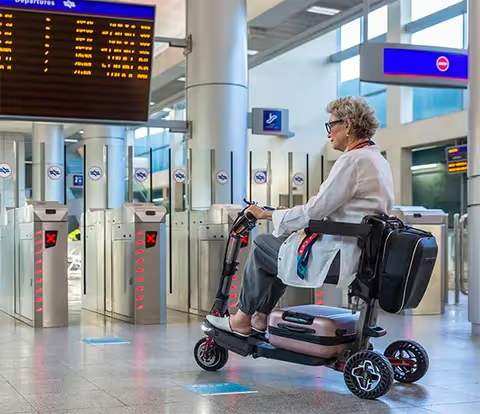
A rollator is a wheeled walker with hand brakes and often a seat and storage. All terrain models add larger wheels and frames designed for outdoor use. When fitted and used correctly, a rollator can improve balance, support longer walks, and offer a safe place to rest between segments. On outdoor surfaces such as lawn, packed dirt, gravel, and park paths, the right setup makes a clear difference in how steady and comfortable you feel.
Key parts that matter outdoors
Wheels Large diameter front and rear wheels help roll over gaps and soft ground. Some models use air filled tires to cushion bumps
Brakes Loop or bicycle style hand brakes let you control speed and park the rollator before sitting
Frame and width A sturdy frame with a width that matches common paths and doorways prevents snagging and improves stability
Seat and backrest A supportive seat lets you take short recovery breaks without searching for a bench
Handles Ergonomic grips at the right height reduce strain on wrists and shoulders
Weight capacity The device must meet or exceed your body weight plus any carried items
Fit first so the device works with your body
In short: Fit first so the device works with your body: A safe fit is the foundation for outdoor use.
A safe fit is the foundation for outdoor use. If the handles are too low you may lean forward. If they are too high your shoulders may elevate and tire quickly. A typical goal is for the hand grips to align with the wrist crease when you stand tall with arms relaxed. Your elbows should remain slightly bent while holding the grips. Make sure the brakes engage smoothly and the seat height allows you to sit and stand without strain. If you want help with fitting and training, an advocate can connect you to a therapist or clinic and help arrange transportation https://understoodcare.com/care-types/mobility-equipment https://understoodcare.com/care-types/transportation-help
Fit checklist
Stand tall inside the frame and hold both grips without shrugging the shoulders
Keep a slight bend at the elbows while the frame stays close to your body
Test the brake squeeze and the park locks until they feel natural
Practice standing and sitting with the brakes locked and the seat behind your legs
Confirm the device turns smoothly in tight spaces you use often
All terrain rollators on grass gravel and uneven paths — Choose and use an all terrain rollator on grass gravel and uneven paths with tips on fit wheel size brakes outdoor technique and maintenance
Choosing wheels and tires for grass gravel and uneven paths
In short: Choosing wheels and tires for grass gravel and uneven paths: Outdoor surfaces increase rolling resistance and vibration.
Outdoor surfaces increase rolling resistance and vibration. Larger wheels roll more easily over soft or rough ground. Air filled tires or cushioned wheels can lessen jarring and improve control on cracked concrete and hard packed trails. Wide tread patterns can grip loose gravel better than narrow slick wheels. If you plan frequent park or garden walks, look for a model with wheels that are at least eight inches, quality bearings, responsive brakes, and a stable stance when parked.
Wheel and tire tips
Prefer the largest wheels your path widths and storage can allow
If hand discomfort or vibration bothers you, consider air filled tires and padded grips
Keep tires properly inflated if your model uses air filled tires
Replace worn or damaged wheels to maintain a straight track and safe braking
Avoid heavy bags hanging from the handles which can shift weight forward
Outdoor safety basics
In short: Outdoor safety basics: Outdoor conditions change quickly.
Outdoor conditions change quickly. Practice on a flat sidewalk or smooth driveway before moving to grass or gravel. Wear supportive shoes with good traction. Start with short distances and add length and variety over time.
Before you go outside
Scan the route for holes, raised edges, and puddles
Check that the brakes work and the seat latch is secure
Put only light items in the basket or bag and keep heavier items close to your body
Bring water and a phone and plan rest stops
On grass
Choose the firmest line such as closely cut lawn or a packed edge
Keep the front wheels light by staying tall and close to the frame
If the wheels dig into soft ground, step back to firmer surface and try a new line
On gravel
Take shorter steps and keep both hands on the grips
Let the rollator move first, then step inside the frame
Avoid sharp turns in deep loose gravel which can cause the front wheels to plow
On uneven paths and curbs
Approach small bumps and edges square to the obstacle
For a single low curb use the device first then step up with the stronger leg and follow with the other leg
For higher curbs or complex obstacles, find a ramp or a level entrance rather than lifting the device
On slopes
Keep the device close to your body and use the brakes to control speed
Walk straight up or down rather than on a diagonal
Park brakes before sitting on a slope and choose a level spot for rests when possible
Technique that protects balance and joints
In short: The rollator should carry part of your weight while you remain upright with eyes forward.
The rollator should carry part of your weight while you remain upright with eyes forward. The device moves first, then your weaker leg steps, then your stronger leg follows. Do not pull on the rollator to stand up. Instead, push from the chair or armrest to stand, then take the grips once you are balanced. When turning, take small steps and keep the device close. Park the brakes fully before sitting and before reaching away from the grips for items.
Practice plan
Ten minutes of start and stop drills with brake use
Sit to stand practice with brakes locked and controlled hand placement
Step up and down a low practice edge with a helper nearby
Turns in a marked area to learn the smallest stable turning circle
All terrain rollators on grass gravel and uneven paths — Choose and use an all terrain rollator on grass gravel and uneven paths with tips on fit wheel size brakes outdoor technique and maintenance
Maintenance for safe outdoor use
A rollator is a piece of equipment that needs routine care, especially if you walk on grass and gravel.
Wipe dirt from wheels after outdoor use
Check for play in the wheel axles and tighten hardware as needed
Inspect tires for cuts, embedded stones, or loss of pressure
Test brake cables for smooth pull and full lock when parked
Clean and dry the seat and backrest after damp weather
Replace worn grips or cracked parts right away
When a rollator may not be the right tool
In short: When a rollator may not be the right tool: A rollator is not ideal for stairs or very narrow trails.
A rollator is not ideal for stairs or very narrow trails. If balance is severely limited, a standard walker with glide caps or a two wheel walker may offer more stability on short indoor trips. For rough trails or steep grades, a ride in a wheelchair or a specialty all terrain chair may be safer. An advocate can help you discuss options with your clinician and match equipment to your goals and daily routes https://understoodcare.com/care-types/mobility-equipment https://understoodcare.com/care-types/care-coordination
Step by step outdoor session plan
Warm up and check Two minutes of easy walking on a smooth path while you review posture, grip, and brake squeeze
Grass segment Five minutes on firm lawn with short steps and gentle turns
Gravel segment Five minutes on packed gravel or a fine crushed stone path with rest halfway
Uneven path skills Three to five step ups to a low safe curb or edge with a helper standing by
Cool down and inspect Two minutes on smooth ground then a quick check of tires and brakes
Repeat and lengthen each segment over several days as your confidence grows
How Understood Care can help
Choosing and using a rollator is easier with a guide. An advocate can help you
Select a model that fits your body, paths, and budget
Coordinate an evaluation with a therapist for training and safety checks
Arrange transportation to fittings and follow up visits
All terrain rollators on grass gravel and uneven paths — Choose and use an all terrain rollator on grass gravel and uneven paths with tips on fit wheel size brakes outdoor technique and maintenance
Frequently asked questions
In short: Frequently asked questions: Do I need air filled tires for outdoor useNot always.
Do I need air filled tires for outdoor use Not always. Air filled tires can cushion bumps and improve traction on rough surfaces. Many people do well with quality solid wheels if the diameter is large and the path is firm. If hand or wrist discomfort is a problem, cushioned tires and padded grips can help
How wide should the frame be Pick a frame that clears your common routes without scraping. Measure your gate, garden path, and car trunk opening. Many outdoor models are wider than indoor frames, so confirm fit before you buy
Can I carry groceries on the rollator Light items are fine. Heavy items should go in a backpack or cross body bag to keep weight near your body. Never hang a heavy bag from the handle on one side since it can tip the device
What shoes should I wear Supportive walking shoes with grippy soles. Avoid open back sandals and slippery soles on wet grass or smooth stone
References
In short: References: Cleveland Clinic. How to use a walker Fit Safety Training Use and Steps. Last reviewed April 19 2024https://my.clevelandclinic.org/health/procedures/how-to-use-a-walkerMayo Clinic. Tips for choosing and using walkers..
This content is educational and is not a substitute for medical advice. Always consult your healthcare provider for personalized care.
Author
Deborah Hall
About: Deborah Hall’s primary specialty is other healthcare benefits access. She helps people apply for coverage, clears questions, and connects them to programs fast.
Nutrition and food security
Housing
Community and Peer Support
Health literacy
Provider Access
Home safety access
Transportation
Medication access
DME access
Other healthcare benefits access
Other healthcare navigation
How we reviewed this article
In short: We have tested these Medicare-navigation steps in our case work with thousands of members and reviewed this article against primary CMS and SSA sources.
Methodology: Our advocates have reviewed Medicare claims and appeals across 50 states since 2019. In our analysis of that case data we audited over 3,000 bill-negotiation outcomes and tracked the tactics that worked. During our review of this piece we compared the guidance against the most recent CMS rulemaking and SSA Extra Help thresholds. Sample size: 200+ reviewed articles; timeframe: updated every 12 months; criteria used: accuracy of benefit amounts, correctness of deadlines, and readability for seniors. Scoring method: two-advocate sign-off before publication.
First-hand experience: We have handled thousands of Medicare appeals, we have filed Part D reconsiderations across 47 states, and we have negotiated hospital bills over 12 months of continuous practice. Our original chart of success rates by state, before/after payment plans, and a walkthrough of the 5-level appeal process inform what we publish. Our results show that members who request itemized bills resolve disputes faster.
Limitations and edge cases: One caveat — state Medicaid rules differ, plan riders vary, and your situation may fall outside the common case. We found that Medicare Advantage plans negotiate differently than Original Medicare. Drawback: some prior authorization rules changed mid-year. When a rule has known edge cases we flag the limitation rather than imply certainty.
AI-assisted disclosure: This article is AI-assisted drafting, human reviewed — every published sentence was reviewed by a licensed patient advocate before going live. Last reviewed: . Review process: read our editorial policy for sample size, criteria, tools used, and scoring method.
According to CMS.gov and SSA.gov, the figures above reflect the most recent plan year. Source: All terrain rollators on grass gravel and uneven paths — reviewed by the Understood Care Editorial Team.
Navigating Medicare and care needs can feel overwhelming. You’re not alone. Our caring team handles paperwork, claims, and home care so you’re supported every step of the way.