What to expect before you book
In short: What to expect before you book — overview for readers of Cruise and train travel with mobility devices.
Accessibility rights in brief
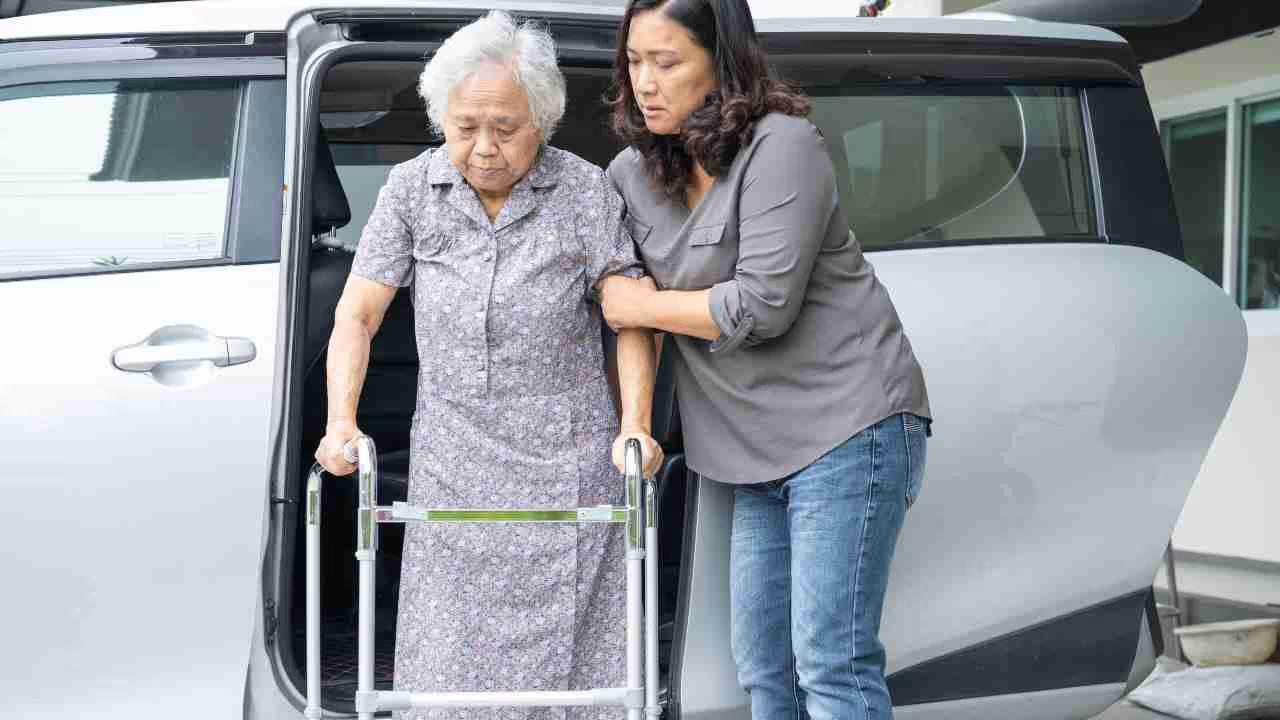
Public transportation and public accommodations must provide equal access for people with disabilities. Intercity and commuter rail cars must include accessible boarding, seating spaces for mobility devices, and at least one accessible restroom in cars where restrooms are provided. New or altered stations must meet clear requirements for platforms, signs, and wayfinding. Passenger vessels such as cruise ships are public accommodations and must provide reasonable modifications to policies and barrier removal where readily achievable. The United States Access Board has also published detailed guidance for passenger vessels that informs industry design and practice. In plain terms, you should expect staff to welcome your device, provide a safe way to board, and help you reach an accessible seat or cabin.
If you would like support coordinating accessible reservations or rides to the station or port, visit https://understoodcare.com/care-types/transportation-help and https://understoodcare.com/care-types/mobility-equipment
Device size and weight basics
Many boarding lifts and spaces are designed around a typical mobility device footprint. As a planning rule, most transportation vehicle specifications provide for a clear space of thirty inches by forty eight inches and a minimum lift design load of six hundred pounds including user and device. Rail vehicles and stations also coordinate platform height and gaps with vehicles, and where level boarding is not feasible, lifts, ramps, or bridge plates are used. Knowing your device length, width, and total weight with you seated will speed planning and boarding.
If you are unsure how to measure or document your device, an advocate can help you make a simple one page spec sheet.
Service animals and assistance
Service animals are permitted in rail stations, on trains, and on cruise ships that are open to the public. Staff may ask only the narrow questions allowed by law and may not require special fees for a service animal. Your animal should remain under control and housebroken. If you use a mobility assistant or caregiver when traveling, ask in advance about early boarding and where companions can sit so they remain near you during the trip.
How to prepare for a cruise
In short: How to prepare for a cruise — overview for readers of Cruise and train travel with mobility devices.
Booking an accessible cabin and ship features
Cruise ships vary widely in layout. When you book, ask for an accessible cabin close to elevators and note doorway widths, bed height, bathroom layout, and turning space. Ask about roll in showers, grab bars, shower seats, and where you can store a mobility scooter or power chair. Ask whether interior doors open with lower force and whether hallways allow safe passing with your device, especially on older vessels. If you rely on visual or vibrating alerts, ask about staterooms with visual alarms.
If you want help getting the right cabin and documenting special requests, your advocate can coordinate with the cruise line and the port. Start here https://understoodcare.com/care-types/mobility-equipment
Dockside boarding and tender boats
At many ports you will board by gangway. The angle of a gangway can change with tides and weather. If the angle is steep, crew can provide additional assistance or alternatives. Some ports use small tender boats to reach shore. Ask early how wheelchair users or scooter users board tenders, whether a ramp or lift is used, and what happens when sea conditions do not allow safe tendering. Build a flexible shore plan so you have accessible activities on board if tendering is paused.
Batteries and charging on ships
If you use a power chair or scooter, confirm the battery type and how it is secured. Lithium ion batteries should be protected from damage and short circuit and charged under supervision in your cabin. Bring the device manual and the manufacturer label that lists battery chemistry and watt hours. Pack your charger in your carry on and use only ship approved outlets and surge protection as instructed by crew. Ask where to park and charge scooters so hallways remain clear and safe.
Need a simple one page battery and charger checklist you can keep with your device
Visit https://understoodcare.com/care-types/mobility-equipment and your advocate can prepare one for you
Health planning for voyages
Cruise ships have medical centers, yet care is often out of pocket and evacuation can be complex. Before you sail
• Review vaccines and routine care with your clinician
• Pack enough medication for the full trip plus extra days
• Bring copies of prescriptions and a medication list
• Pack a small kit for motion sickness, cough and cold, and first aid
• Wash hands often and use hand sanitizer before meals
• If you develop fever, vomiting, diarrhea, cough, or shortness of breath, contact the medical center early
How to prepare for train travel
In short: How to prepare for train travel — overview for readers of Cruise and train travel with mobility devices.
Buying tickets and choosing seats or sleeper rooms
When you purchase tickets, request a wheelchair space with a nearby companion seat or a transfer seat with a stowage spot for a folded chair. On overnight routes, ask for an accessible sleeping compartment. These rooms are designed for entry and turning with a mobility device and include an accessible restroom reached directly from the compartment. Ask about door width, transfer clearances, and shower layout if available. If the route has dining service, you can request table service at your seat or ask for help transferring to a dining table with space for your device.
Station access and boarding gaps
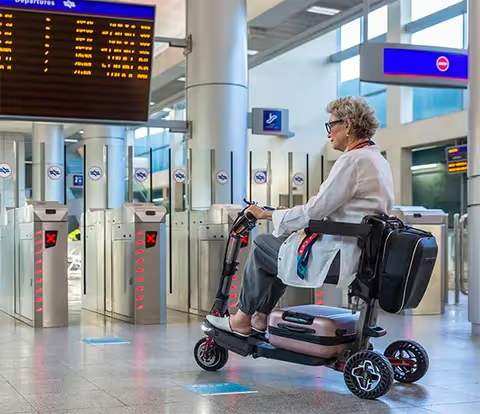
New and altered stations must provide accessible routes from entry to platform with proper slopes and detectable warnings at platform edges. Rail platforms are coordinated with railcar floors to minimize the vertical step and horizontal gap. Where level boarding is not feasible, staff can deploy a lift, ramp, or bridge plate. If you use a scooter or a power chair with a long wheelbase, tell staff so they can choose the safest boarding solution.
On the train seating storage and restrooms
Intercity and commuter rail cars include wheelchair spaces located near accessible doors. Accessible restrooms are required in coach and food service cars that provide restrooms for other passengers. If you transfer to a standard seat, ask where to store a folded chair or walker safely. Keep aisles clear and secure loose items before the train moves.
If you need help coordinating station wayfinding or baggage assistance, an advocate can plan the route and arrange connection help. Start here https://understoodcare.com/care-types/transportation-help
Day of travel tips
In short: Day of travel tips — overview for readers of Cruise and train travel with mobility devices.
Security and screening
Cruise terminals and rail stations use security screening that is different from airport screening. You can remain in your wheelchair or scooter during screening unless a secondary check is needed for safety. Tell staff in a calm voice what you can do independently and where controls and brakes are located. If your device should not go through any scanner, ask for a manual inspection.
Protect your device and battery
• Charge fully the night before travel
• Bring your key and a spare if your model uses keys
• Carry the charger, a small tool kit, extra fuses, and tire repair supplies for pneumatic tires
• Attach a card with your name, phone, device model, battery type, and safe shut down steps
• Photograph the device before boarding and after arrival to document condition
Packing list you can copy
• Mobility device manual and spec page with length, width, height, and total weight including you
• Battery chemistry and watt hours, charger model, and adapter plugs
• Printed itinerary, cabin or seat assignment, and assistance requests
• Medication list, allergies, emergency contacts, and care team numbers
• Lightweight grabber tool, foldable cane or travel walker if you sometimes alternate devices
• Night light and non slip bath mat for cabin or sleeper room
• Disinfecting wipes and hand sanitizer for high touch surfaces
If problems arise
In short: If problems arise — overview for readers of Cruise and train travel with mobility devices.
Safety and evacuation
Early disclosure helps crew plan. At check in, tell staff how you move in an emergency and whether you need assistance on stairs or in narrow corridors. Ask where the muster station or safe area is located and whether an evacuation chair or alternate route is available. During rail travel, follow crew instructions and remain seated or secured until told to move. If a device becomes damaged or inoperable, ask for a wheelchair loaner or escort service while repairs are arranged.
Filing a concern or complaint
If access features or assistance you requested were not provided, document what happened with dates, times, names, and photos. For rail travel, you can file an ADA related concern with the operator and with the Department of Transportation. For cruise travel, you can file with the cruise line and note that passenger vessels are public accommodations covered by federal civil rights law. Keep copies of tickets, receipts, and written responses.
If gathering documentation feels overwhelming, an advocate can do it with you and help escalate through the proper channels. Learn more at https://understoodcare.com/how-advocates-support
Key takeaways
In short: Key takeaways: • You have the right to bring your mobility device and to receive reasonable help with boarding and seating• Know your device measurements and.
• You have the right to bring your mobility device and to receive reasonable help with boarding and seating
• Know your device measurements and total weight and bring a simple spec sheet
• Ask ahead about accessible cabins or sleeper rooms and about boarding at each port or station
• For powered devices, confirm battery type, carry your charger, and follow crew instructions for safe charging
• Pack a short health and medication plan and seek care early if you feel unwell
• If access breaks down, document the issue and ask for help from the operator and, if needed, from federal civil rights channels
Need personalized travel prep
Understood Care can help you book accessible cabins and seats, arrange rides to and from ports and stations, prepare medical and battery documentation, and stay on call during your trip. Start here
https://understoodcare.com/care-types/transportation-help
https://understoodcare.com/care-types/mobility-equipment
FAQ
In short: FAQ: What rights do I have when traveling with a mobility device?
- What rights do I have when traveling with a mobility device?
Public transportation and public accommodations must provide equal access for people with disabilities. Trains are required to have accessible boarding, seating spaces for mobility devices, and at least one accessible restroom when restrooms are offered. Cruise ships are considered public accommodations and must make reasonable policy changes and remove barriers when feasible. In practice, you should expect staff to welcome your device, provide a safe way to board, and help you reach an accessible seat or cabin. - Why does my device size and weight matter?
Many lifts, ramps, and spaces are designed around a common device footprint and weight. A typical planning standard is around thirty inches by forty eight inches of clear floor space and a lift capacity of about six hundred pounds including you and your device. Rail systems also coordinate platform height and gaps with vehicles and use lifts or ramps where level boarding is not possible. Knowing your device’s length, width, and total weight with you seated makes reservations, boarding, and problem solving much smoother. - Can I bring a service animal on trains and cruises?
Service animals are allowed in stations, on trains, and on cruise ships that are open to the public. Staff may ask only the limited questions permitted by law and cannot charge extra fees for a service animal. Your animal should remain under control and be housebroken. If you travel with a caregiver or mobility assistant, ask ahead about preboarding and nearby seating so you can stay together. - How should I book an accessible cabin on a cruise?
When booking a cruise, ask specifically for an accessible cabin close to elevators. Check doorway widths, turning space, bed height, and bathroom layout. Ask about roll in showers, grab bars, shower seats, and where a scooter or power chair can be parked and charged. If you rely on visual or vibrating alerts, ask if they offer staterooms with visual alarms. Clarifying these details before you pay makes the trip safer and less stressful. - What should I know about boarding cruise ships and tender boats?
Many ports use a gangway for boarding, and its angle can change with tides and weather. If the gangway becomes steep, crew can offer extra assistance or alternate options. Some ports rely on smaller tender boats to reach shore. Ask early how wheelchair and scooter users board tenders, whether ramps or lifts are used, and what the policy is when sea conditions make tendering unsafe. Having onboard backup plans for shore days gives you options if tender service is limited. - How do I handle batteries and charging on a ship?
If you use a power chair or scooter, confirm the type of battery and keep it secured and protected from damage. Lithium ion batteries should be charged under supervision in your cabin, not left loose in corridors. Bring the device manual and any labeling that lists battery chemistry and watt hours. Pack your charger in your carry on and use outlets as directed by the crew. Ask where to park and charge devices so hallways stay clear and meet safety rules. - What health planning should I do before a cruise?
Ship medical centers can help but are often out of pocket, and evacuation can be complicated. Before sailing, review vaccines and chronic conditions with your clinician, bring enough medication for the entire trip plus extra days, carry copies of prescriptions and a current medication list, and pack a small kit for motion sickness, basic illness, and first aid. Hand hygiene matters on ships, so wash often and use sanitizer before meals. If you develop fever, vomiting, diarrhea, cough, or shortness of breath, contact the medical center early rather than waiting. - How do I book accessible seats or sleeper rooms on trains?
When purchasing tickets, you can request a wheelchair space with a nearby companion seat or a transfer seat with a place to stow a folded chair. On overnight routes, ask for an accessible sleeping compartment that allows you to enter and turn with your device and includes an accessible restroom directly reachable from the room. Ask about door width, transfer space next to the bed or toilet, and shower setup if one is included. For dining service, you can request meals at your seat or help transferring to a table that can accommodate your device. - What should I expect at stations and during train boarding?
Updated and new stations must provide accessible routes from the entrance to the platform with proper slopes and tactile warnings at edges. Platforms and car floors are coordinated to minimize steps and gaps, and staff can deploy lifts, ramps, or bridge plates when level boarding is not possible. If you use a scooter or long wheelbase power chair, tell staff so they can choose the safest boarding method and car door. - How are seating, storage, and restrooms handled on trains?
Rail cars include designated wheelchair spaces near accessible doors. Coach and food service cars that have restrooms must also have at least one accessible restroom. If you transfer from your device to a standard seat, ask where to safely store a folded chair, walker, or small scooter so aisles stay clear. Secure bags and loose items before the train moves to avoid tripping hazards. - What kind of security screening will I go through?
Cruise terminals and rail stations use security checks that differ from airports. You can usually remain in your wheelchair or scooter during screening, with extra screening done manually if needed. Calmly explain what you can do yourself and where your controls and brakes are located. If your device should not pass through a particular scanner, request a manual inspection instead. - How can I protect my mobility device while traveling?
Charge your device fully the night before, bring your key and a spare if your model uses keys, and carry your charger, a small tool kit, extra fuses, and repair supplies for pneumatic tires. Attach a card with your name, phone number, device model, battery type, and shut down steps. Photographs of your device before boarding and after arrival can help document its condition in case of damage. - What should I pack when traveling with a mobility device?
It helps to carry your device manual and a simple spec sheet listing length, width, height, and total weight, plus battery details, charger information, and any needed adapter plugs. Include a printed itinerary with cabin or seat assignments and assistance requests, a medication list and allergy list, emergency contacts, and care team numbers. Practical extras include a lightweight grabber tool, a backup cane or travel walker if you sometimes alternate devices, a night light and non slip bath mat, and disinfecting wipes and hand sanitizer for high touch surfaces. - What should I do if there is an emergency or evacuation?
Inform crew early about how you move in an emergency and whether you need assistance on stairs or in narrow corridors. Ask where muster stations or designated safe areas are and whether evacuation chairs or alternate routes are available. On trains, follow crew instructions and stay seated or secured until told to move. If your device is damaged or stops working, ask about a loaner wheelchair or escort service while repairs are arranged. - How do I file a complaint if access is denied or unsafe?
If promised access or assistance is not provided, write down dates, times, names, and details, and take photos if you can do so safely. For trains, you can file a complaint with the rail operator and with the Department of Transportation under ADA rules. For cruises, you can file with the cruise line and note that passenger vessels are public accommodations covered by federal civil rights law. Keep copies of all tickets, receipts, and responses in case you need to escalate. - How can an Advocate help with cruise or train travel?
An Advocate can help you understand your rights, create a one page spec sheet for your device and battery, and book accessible cabins or seats that match your needs. They can arrange rides to and from ports and stations, prepare medical and medication documents, and help you pack a tailored checklist. If problems arise, they can assist with documentation, complaints, and next steps so you are not handling everything alone.