Introduction
In short: Introduction: Neuropathy means the nerves outside your brain and spinal cord are damaged.
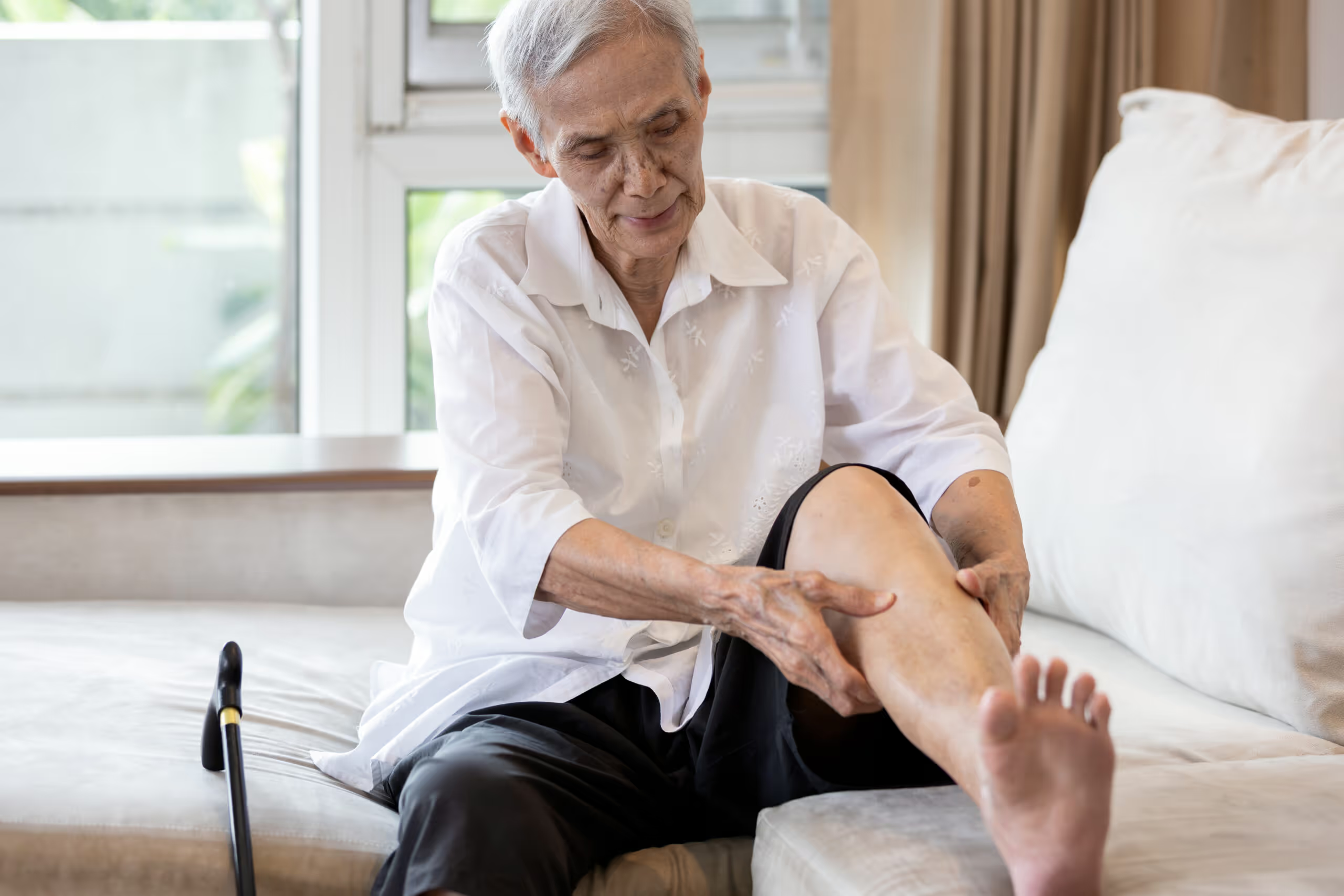
Neuropathy means the nerves outside your brain and spinal cord are damaged. Nerves help you feel, move, and regulate body functions. When they are injured, you may notice numbness, tingling, burning pain, weakness, or changes in balance. While some nerve injuries can improve when the cause is treated, many types of neuropathy are long lasting. The most important goal is to prevent further damage and protect the function you have today.
If you are managing neuropathy, you are not alone. With steady daily care and the right team, you can lower the risk of worsening symptoms and maintain your independence.
Why prevention matters
In short: Why prevention matters: Preventing further nerve injury helps you stay safer and more active.
Preventing further nerve injury helps you stay safer and more active. It reduces the risk of infections, falls, and complications like foot ulcers. Prevention also supports better pain control. Small habits practiced every day add up to meaningful protection over time.
What causes further nerve damage
In short: What causes further nerve damage: Neuropathy has many causes.
Neuropathy has many causes. Common ones include diabetes, vitamin deficiencies, autoimmune or inflammatory conditions, kidney disease, long term alcohol use, medication side effects, and physical pressure on nerves. You may also have more than one cause at the same time. Knowing your root causes guides the best prevention plan.
Steps to prevent further nerve damage
In short: Steps to prevent further nerve damage — overview for readers of Neuropathy & Preventing Further Nerve Damage.
Manage underlying conditions
Keep blood sugar in target range if you have diabetes. For many adults, that includes an A1C goal near 7 percent, individualized with your clinician. Daily glucose checks or continuous monitors help you and your team see patterns and adjust food, activity, and medicines. Better glucose control can prevent neuropathy from developing and can slow or stop it from getting worse.
Keep blood pressure and cholesterol well managed. Healthy numbers support blood flow to nerves. Take medicines as prescribed and follow heart healthy habits.
Treat vitamin deficiencies and avoid excesses. Vitamin B12 deficiency can cause or worsen neuropathy. Ask your clinician about testing, especially if you take metformin or acid lowering medicines, follow a vegan diet, or are older. At the same time, very high doses of vitamin B6 can harm nerves. Do not self start high dose supplements. Use only what your clinician recommends.
Limit or avoid alcohol. Alcohol can directly injure nerves and worsen nutrition. If it is hard to cut back, ask for support. Treating alcohol use disorder protects your nerves and overall health.
Review other medical causes. Thyroid problems, kidney disease, and autoimmune conditions can damage nerves. Working with your primary care clinician and specialists to manage these conditions helps prevent progression.
Protect your feet and skin
Loss of feeling puts you at risk for unnoticed injuries. Daily foot care is essential if you have neuropathy, especially with diabetes.
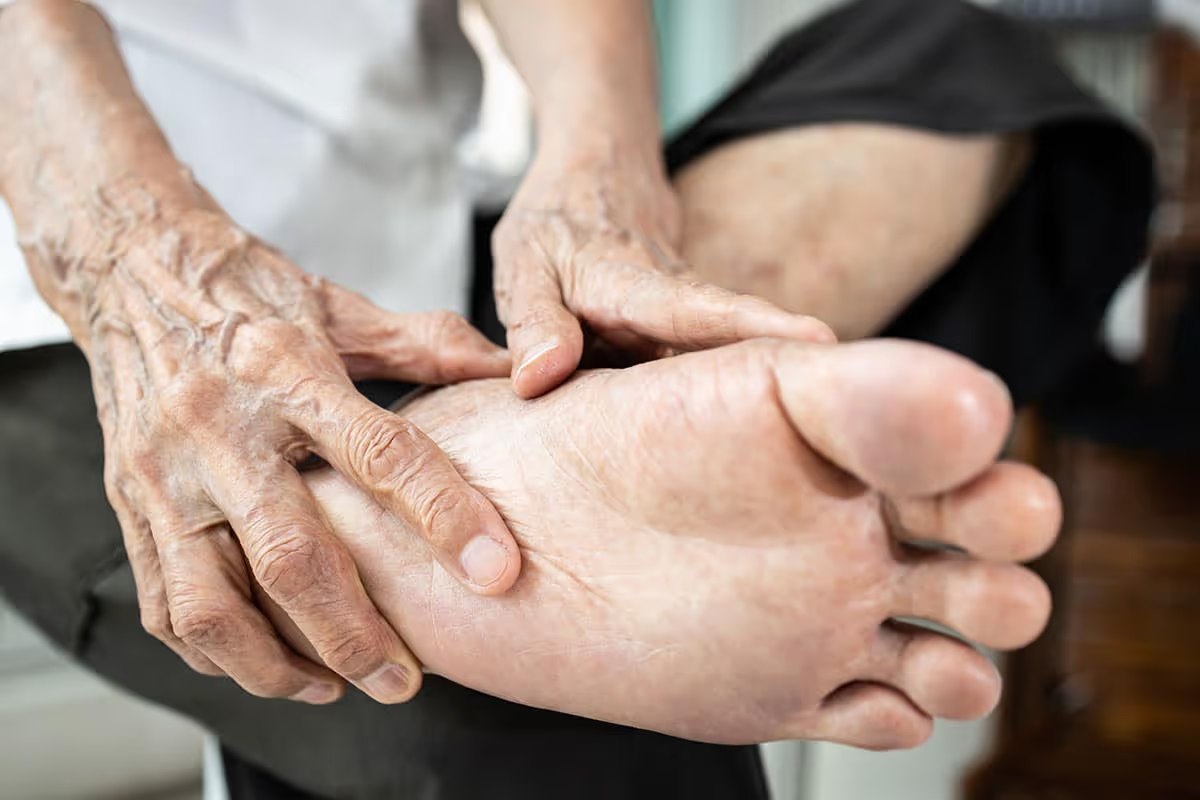
Check your feet every day. Look for cuts, blisters, redness, swelling, calluses, or areas that feel warm or cool. Use a mirror for the soles. Ask a family member for help if needed.
Choose protective footwear. Wear clean, cushioned socks and well fitted shoes at all times, inside and outside. Break in new shoes gradually. If you have deformities or ulcers, ask about special shoes or inserts.
Prevent burns and injuries. Test bath water with your elbow or a thermometer. Avoid heating pads on numb skin. Be careful with hot pavement, sand, or car footwells. Use gloves for chores and yardwork.
Treat problems early. Call your clinician or podiatrist promptly for a sore, crack, or infection. Early care prevents complications.
Move safely and build strength
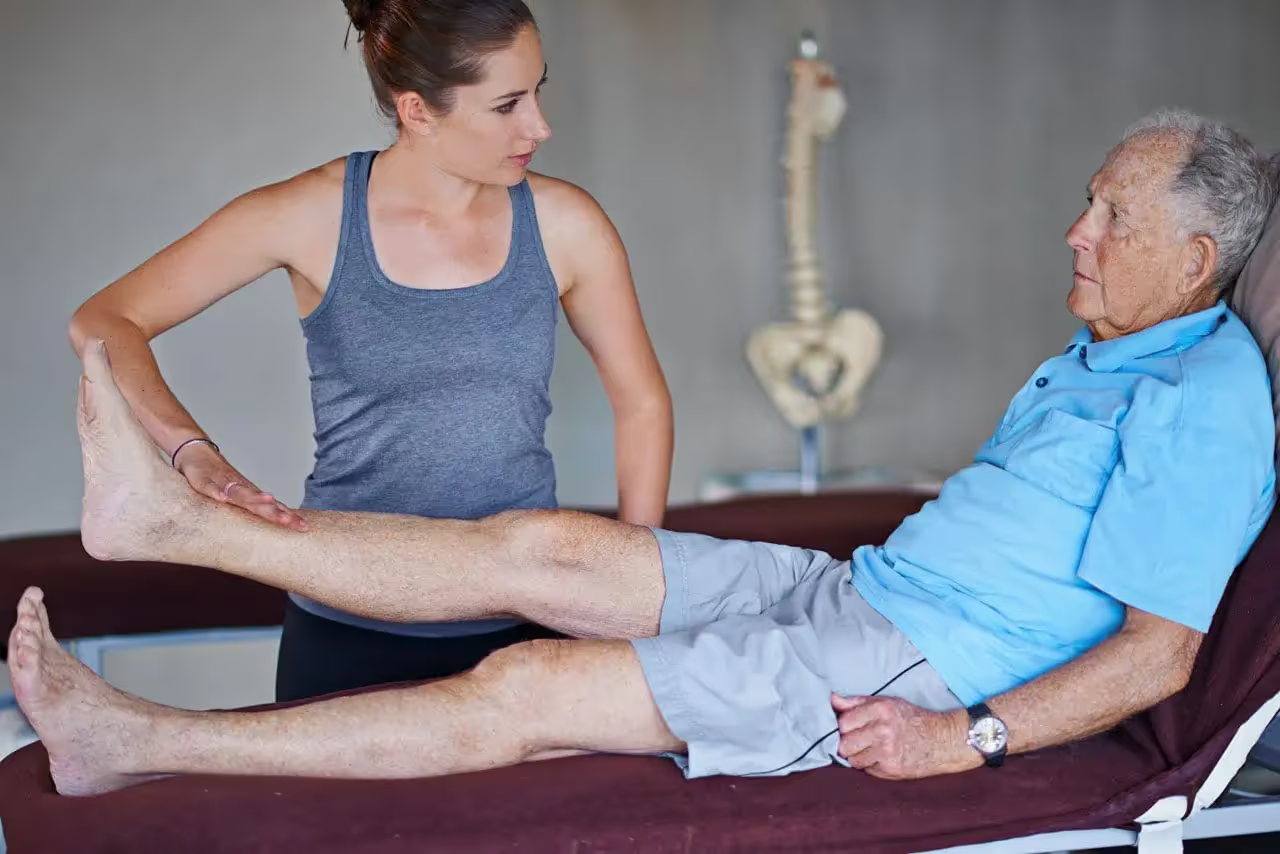
Aim for regular physical activity. Walking, cycling, water exercise, and gentle strength training improve blood sugar, mood, and balance. If you have numb feet or balance issues, choose low impact options and use supportive shoes. A physical therapist can design a plan that protects your feet and joints.
Work on balance. Simple exercises, such as standing near a counter while practicing single leg stands or heel to toe walking, can reduce falls. Ask your clinician about a referral to balance training if you feel unsteady.
Use medicines wisely
Review your medication list. Some medicines can affect nerves, including certain chemotherapy drugs and a few antibiotics or heart medicines. Never stop a medicine on your own. If nerve symptoms started after a new medicine, ask whether alternatives or dose changes are possible.
Take pain medicines as prescribed. For neuropathic pain, clinicians often use medicines like duloxetine or gabapentin. These do not repair nerves but can improve quality of life. Report side effects and keep scheduled follow ups so your plan stays safe and effective.
Support healthy nutrition
Build a nutrient rich plate. Include vegetables, fruits, whole grains, lean proteins, and healthy fats. If you follow a plant based diet, make sure you get reliable sources of vitamin B12 through fortified foods or supplements if advised.
Avoid megadoses without medical guidance. More is not always better. High dose supplements can interact with medicines or harm nerves.
Prevent falls and stay safe at home
Make your home safer. Remove tripping hazards, add night lights, and install grab bars where helpful. Consider a cane or walker if advised.
Care for your skin and nails. Keep skin moisturized except between toes. Trim nails straight across or see a podiatrist if nails are thick or hard to reach.
Partner with your care team
Schedule regular checkups. Plan foot exams, A1C checks if you have diabetes, and visits with your primary care clinician. Ask about vaccines and routine screenings.
Know when to call. New weakness, spreading numbness, severe pain, open wounds, fevers, or signs of infection need prompt care.
What to expect over time
In short: What to expect over time: Some neuropathies improve when the cause is corrected, such as a vitamin deficiency.
Some neuropathies improve when the cause is corrected, such as a vitamin deficiency. Others stabilize with good management. When nerves have been badly damaged, symptoms may persist, but you can still reduce flare ups and complications. Consistency is key. Small daily steps protect the nerves you have and support comfort and mobility.
How Understood Care can help
In short: How Understood Care can help: If you are feeling overwhelmed, you do not have to do this alone.
If you are feeling overwhelmed, you do not have to do this alone. Understood Care can help you coordinate appointments, organize medication routines, find lower cost options, and stay on track with foot care and safety plans. See the related resources in References to explore help that fits your needs.
FAQ
In short: FAQ: What is peripheral neuropathy and why does prevention matter?
- What is peripheral neuropathy and why does prevention matter?
Peripheral neuropathy means the nerves outside your brain and spinal cord are damaged. These nerves help you feel, move, and regulate body functions. When they are injured, you may notice numbness, tingling, burning pain, weakness, or balance changes. Because many neuropathies are long lasting, the main goal is to prevent further damage and protect the function you have today. - Why is it so important to prevent further nerve damage?
Prevention helps you stay safer and more independent. It lowers the risk of infections, foot ulcers, and falls, and it can support better pain control. Small daily habits such as foot checks, safer activity, and careful blood sugar control add up over time and can slow or stop worsening symptoms. - What can cause neuropathy to get worse over time?
Nerves can be further damaged by poorly controlled diabetes, vitamin deficiencies, autoimmune or inflammatory diseases, kidney problems, long term alcohol use, certain medicines, and ongoing physical pressure on nerves. Some people have more than one cause at the same time, so a full review with your care team is important. - How can I use my medical conditions to guide prevention?
Work with your clinician to keep blood sugar, blood pressure, and cholesterol in target ranges, especially if you have diabetes or heart disease. Ask about testing and treating vitamin deficiencies such as B12, and avoid very high dose supplements unless prescribed. Make a plan to manage thyroid, kidney, liver, or autoimmune conditions that can affect nerve health. - What daily steps should I take to protect my feet and skin?
Check your feet every day for cuts, blisters, redness, swelling, or warmth. Wear clean, cushioned socks and well fitting shoes indoors and outdoors. Test bath water with your elbow or a thermometer, avoid heating pads on numb skin, and use gloves for chores. Call your clinician or podiatrist early if you see a sore, crack, or infection so it can be treated before it worsens. - How can activity and exercise help protect my nerves?
Regular physical activity supports blood flow, blood sugar control, mood, and balance. Walking, water exercise, cycling, or chair exercises can be helpful. If you have numbness or balance issues, choose low impact activities and use supportive shoes. A physical therapist can design a safe plan and add balance training to reduce fall risk. - Can my medicines affect my neuropathy?
Some medicines, including certain chemotherapy drugs and a few other treatments, can injure nerves or worsen symptoms. Never stop a medicine on your own, but do tell your clinician if nerve symptoms started or worsened after a new prescription. For pain, medicines such as gabapentin or duloxetine may help with comfort, but they do not repair nerves, so regular follow up and dose checks are important. - What nutrition habits support nerve health without causing harm?
Choose a balanced eating pattern with vegetables, fruits, whole grains, lean proteins, and healthy fats. Ask about vitamin B12 testing if you are older, follow a vegan or vegetarian diet, or take metformin or acid reducing medicines. Avoid high dose supplements, especially vitamin B6, unless your clinician recommends them, since excess can harm nerves. - How can I make my home safer if I have neuropathy?
Remove clutter and loose cords, add night lights, and consider grab bars in the bathroom. Keep items you use often within easy reach to avoid step stools. Wear supportive shoes, not bare feet or slippers with slick soles. Ask your clinician whether a cane, walker, or podiatry visit would help you stay steady and protected. - When should I call my clinician about my neuropathy?
Call promptly if you notice new or rapidly worsening numbness or weakness, a foot sore that is not healing, redness or drainage from a wound, fevers, or signs of infection. Seek urgent care for sudden trouble walking, loss of bladder or bowel control, chest pain, trouble breathing, or severe new pain. - How can Understood Care support my prevention plan?
Understood Care can help you organize appointments, track medication routines, find lower cost options, and stay on top of foot care and home safety plans. Advocates can coordinate with your clinicians, help you prepare questions, and support you in keeping up with daily prevention steps so you can protect your nerves and your independence.