Understood Care is a virtual patient-advocacy service for Medicare members.
Unlike case management or brokers, our advocates cover claims, appeals,
and care. Compared to helplines, it is one-to-one.
Nerve damage (neuropathy) is a Medicare topic. Nerve damage (neuropathy) refers to practical
guidance here. Nerve damage (neuropathy) — more below. Unlike generic summaries, we
cover Nerve damage (neuropathy). Compared to other services, our advocates help
one-to-one with Nerve damage (neuropathy).
Understand neuropathy causes, symptoms, diagnosis, treatment options, and safety tips in clear language for patients, caregivers, and older adults.
Short answer: Nerve damage (neuropathy) is a Medicare and patient-advocacy topic that refers to practical guidance for Medicare beneficiaries and their families. Understand neuropathy causes, symptoms, diagnosis, treatment options, and safety tips in clear language for patients, caregivers, and older adults. Understood Care advocates handle nerve damage (neuropathy) directly for members — unlike generic web summaries, this guidance is drawn from our case work with real Medicare beneficiaries across 50 states.
Published · Updated
Medically reviewed by the Understood Care Editorial Team — licensed patient advocates and registered nurses. Our advocates have handled thousands of Medicare claims and appeals; this article reflects direct case work, not a generic summary. How we research and review.
Understand neuropathy causes, symptoms, diagnosis, treatment options, and safety tips in clear language for patients, caregivers, and older adults.
What neuropathy means
In short: Neuropathy is nerve damage in the network of nerves outside the brain and spinal cord called the peripheral nervous system.
Neuropathy is nerve damage in the network of nerves outside the brain and spinal cord called the peripheral nervous system. These nerves carry sensation, control movement, and regulate automatic body functions like heart rate, digestion, and sweating. When they are damaged, signals can become weak, confused, or overactive. You may feel numbness, tingling, burning, sharp pain, or notice weakness or balance problems. Early evaluation matters because some causes are treatable and symptoms can improve with the right care.
Common causes
In short: Common causes: Many conditions can injure peripheral nerves.
Many conditions can injure peripheral nerves. The most frequent include
Diabetes and metabolic syndrome
Nerve compression or injury from accidents or repetitive motion
Autoimmune conditions such as Guillain Barre syndrome, chronic inflammatory demyelinating polyneuropathy, lupus, or vasculitis
Infections such as shingles, Lyme disease, hepatitis B or C, and HIV
Vitamin B deficiencies and other nutritional problems
Toxins including heavy metals and some chemotherapy agents
Kidney, liver, or thyroid disease
Genetic conditions such as Charcot Marie Tooth disease
Alcohol use disorder
Tumors that press on or invade nerves Sometimes the cause remains unknown and is called idiopathic neuropathy.
Symptoms to watch
In short: Symptoms to watch: Symptoms depend on which nerves are affected.
Symptoms depend on which nerves are affected.
Sensory nerves Numbness, tingling, pins and needles, burning pain, sensitivity to touch, and reduced ability to feel temperature or pain.
Motor nerves Muscle weakness, cramps, wasting, foot drop, and problems with coordination or falls.
Autonomic nerves Dizziness when standing, sweating changes, stomach or bowel issues, bladder problems, and sexual dysfunction. Tell your clinician right away if you have rapidly worsening weakness, trouble walking, loss of bowel or bladder control, or new severe pain.
Nerve damage (neuropathy) — Understand neuropathy causes, symptoms, diagnosis, treatment options, and safety tips in clear language for patients, caregivers, and older adults
When to seek care and how neuropathy is diagnosed
In short: Seek medical care promptly if numbness, burning, or weakness lasts more than a few days, keeps you from daily tasks, or progresses.
Seek medical care promptly if numbness, burning, or weakness lasts more than a few days, keeps you from daily tasks, or progresses. Clinicians diagnose neuropathy using your history, a neurological exam, and tests chosen for your situation. Testing may include
Blood tests for glucose and A1C, vitamin B levels, thyroid and kidney function, and other markers
Nerve conduction studies and electromyography to measure how nerves and muscles work
Skin biopsy to assess small fiber nerve endings when small fiber neuropathy is suspected
Imaging to look for structural causes of nerve compression Results guide next steps, including treatment of the underlying cause.
An Understood Care advocate can help you find the correct care for your personal needs, connect you with the right specialist, coordinate covered testing, and organize follow up. To get started call us at (646) 904-4027 or book at https://app.understoodcare.com/
Treatment goals
In short: Treatment goals: Treatment focuses on three goals
Treatment focuses on three goals
Address the cause when possible
Reduce pain and other symptoms
Protect function and safety in daily life
Treating the underlying cause
Examples include improving blood sugar control in diabetes, correcting vitamin deficiencies, adjusting or switching medications that affect nerves, and treating autoimmune or infectious causes. Progress checks help your team tailor the plan.
Pain relief options
Several medicine groups can reduce neuropathic pain. Your clinician will match choices to your health profile and other medicines.
Antiseizure medicines such as gabapentin or pregabalin
Antidepressants used for pain relief including duloxetine or certain tricyclics such as amitriptyline or nortriptyline
Topical therapies such as lidocaine patches or capsaicin for localized pain These can cause side effects like sleepiness, dizziness, dry mouth, or skin irritation. Dose adjustments and slow changes can improve tolerability. Opioids are not first choice for long term management because benefits are limited and risks are higher.
Non drug approaches that help
Physical therapy for strength and balance, regular low impact activity such as walking or pool exercise, and protective footwear can support function and reduce falls. Some people benefit from structured pain coping skills such as cognitive behavioral strategies. Devices like braces or canes may prevent injuries during flares. A layered plan that combines several methods is common and often more effective than any single step.
Safety and foot care
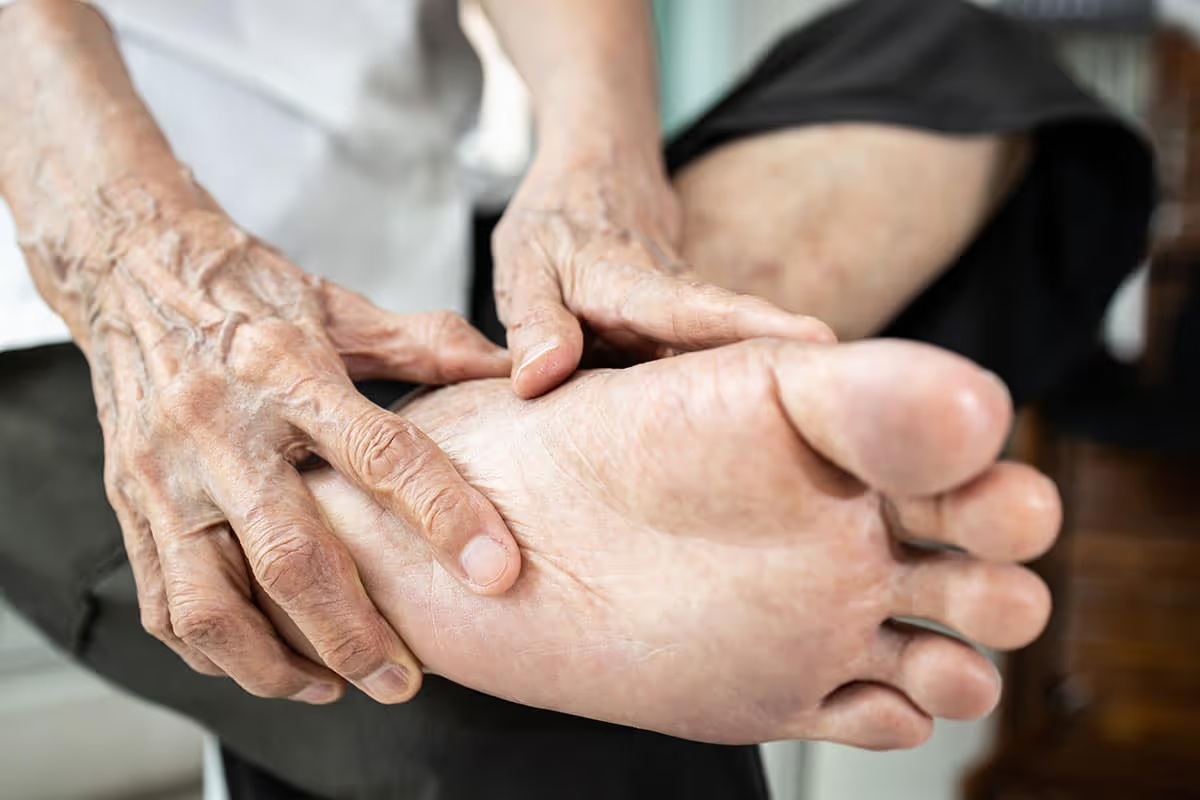
Daily foot checks, protective shoes, and early care for small injuries are essential when sensation is reduced, especially if you have diabetes. Keep floors clear, add night lights, and stand up slowly to lower fall risk. Ask about a podiatry visit for nail care and shoe fitting if feet are numb or deformed.
Nerve damage (neuropathy) — Understand neuropathy causes, symptoms, diagnosis, treatment options, and safety tips in clear language for patients, caregivers, and older adults
Daily habits that support nerve health
In short: Daily habits that support nerve health: Keep blood sugar near your personalized goal if you live with diabetesChoose balanced meals with enough B vitamins and other.
Keep blood sugar near your personalized goal if you live with diabetes
Choose balanced meals with enough B vitamins and other nutrients
Stay active within your limits and build up slowly
Stop smoking and limit alcohol
Sleep on a regular schedule and manage stress
Use a symptom diary to track patterns and triggers These steady routines often improve comfort and can slow progression for some causes.
How caregivers can help
In short: How caregivers can help: Observe changes in walking, balance, or pain and share notes with the care teamHelp with medication timing and refillsSupport foot checks and.
Observe changes in walking, balance, or pain and share notes with the care team
Help with medication timing and refills
Support foot checks and safe home setup with clear pathways and good lighting
Encourage movement, hydration, and meals
Watch for mood changes and sleep problems and mention them during visits
Preparing for your visit
In short: Preparing for your visit: Bring
Bring
A list of symptoms with start dates and patterns
All medicines and supplements with doses
A brief medical and family history including diabetes, thyroid, kidney, or autoimmune conditions
Questions about tests, treatment choices, and safety at home
Key takeaways
In short: Key takeaways: Neuropathy describes nerve damage outside the brain and spinal cord.
Neuropathy describes nerve damage outside the brain and spinal cord. Causes vary and many are treatable. Diagnosis uses history, exam, and targeted tests. A personalized plan often includes treating the cause, medicines for nerve pain, non drug strategies, and strong safety steps. Early care and daily habits can improve comfort and protect independence.
Nerve damage (neuropathy) — Understand neuropathy causes, symptoms, diagnosis, treatment options, and safety tips in clear language for patients, caregivers, and older adults
FAQ
In short: What is neuropathy and what does it mean for my nervesNeuropathy is nerve damage in the network of nerves outside the brain and spinal cord, called the peripheral nervous system.
What is neuropathy and what does it mean for my nerves Neuropathy is nerve damage in the network of nerves outside the brain and spinal cord, called the peripheral nervous system. These nerves carry sensation, control movement, and help regulate automatic functions like heart rate, digestion, and sweating. When they are damaged, signals can become weak, confused, or overactive. You may feel numbness, tingling, burning or sharp pain, or notice weakness or balance problems. Early evaluation matters because some causes are treatable and symptoms can improve with the right care.
What are the most common causes of neuropathy Many conditions can injure peripheral nerves. Common causes include diabetes and metabolic syndrome, nerve compression or injury from accidents or repetitive motion, autoimmune conditions such as Guillain Barre syndrome, chronic inflammatory demyelinating polyneuropathy, lupus, or vasculitis, infections such as shingles, Lyme disease, hepatitis B or C, and HIV, vitamin B deficiencies, toxins including heavy metals and some chemotherapy drugs, kidney, liver, or thyroid disease, genetic conditions such as Charcot Marie Tooth disease, and alcohol use disorder. Sometimes no clear cause is found and it is called idiopathic neuropathy.
What symptoms should I watch for Symptoms depend on which nerves are affected. Sensory nerve symptoms include numbness, tingling, pins and needles, burning pain, sensitivity to touch, and reduced ability to feel temperature or pain. Motor nerve symptoms include muscle weakness, cramps, foot drop, muscle wasting, and problems with coordination or falls. Autonomic nerve symptoms can include dizziness when standing, sweating changes, stomach or bowel issues, bladder problems, and sexual dysfunction. Rapidly worsening weakness, trouble walking, loss of bowel or bladder control, or new severe pain should be reported right away.
When should I see a doctor about neuropathy symptoms You should seek medical care promptly if numbness, burning, tingling, or weakness lasts more than a few days, keeps you from daily tasks, or seems to be progressing. Sudden or rapidly worsening weakness, trouble walking, loss of bladder or bowel control, trouble breathing, or severe new pain are urgent and should be evaluated immediately.
How do doctors diagnose neuropathy Diagnosis starts with your medical history and a focused neurologic exam. Your clinician looks at the pattern of symptoms and exam findings to narrow causes. Tests may include blood tests for glucose and A1C, vitamin B levels, thyroid and kidney function, and other markers, nerve conduction studies and electromyography to measure how nerves and muscles work, skin biopsy to assess small fiber nerve endings when small fiber neuropathy is suspected, and imaging when structural compression is a concern. Test results help guide treatment choices.
What are the main goals of treatment Treatment focuses on three goals. One is to address the underlying cause when possible. Another is to reduce pain and other symptoms so daily life is more comfortable. The third is to protect function and safety, including walking, balance, and skin and foot health.
How do clinicians treat the underlying cause Treating the cause depends on your situation. Examples include improving blood sugar control in diabetes, correcting vitamin deficiencies, managing thyroid, kidney, or liver disease, reducing or changing medicines that can injure nerves when it is safe to do so, and treating autoimmune or infectious causes with condition specific therapies. Regular follow up lets your team adjust the plan as results and symptoms change.
What medicines are used for neuropathy pain Several medicine groups can ease nerve pain. Antiseizure medicines such as gabapentin or pregabalin calm overactive nerve signaling. Certain antidepressants used at pain doses, such as duloxetine or tricyclics like amitriptyline or nortriptyline, can also reduce neuropathic pain. Topical therapies such as lidocaine patches or capsaicin can help when pain is limited to a smaller area. These medicines can cause drowsiness, dizziness, dry mouth, swelling, or skin irritation, so dose changes are often done slowly. Opioids are generally not first choice for long term neuropathy because their risks usually outweigh their benefits.
What non medicine strategies can help me manage neuropathy Non medicine strategies often work alongside medication. Physical therapy can improve strength, flexibility, and balance. Regular low impact activity such as walking or pool exercise supports circulation and mood. Occupational therapy can suggest safer ways to do daily tasks and adapt your home. Pain coping approaches, including cognitive and behavioral strategies, can make persistent pain less disruptive. Braces, canes, or other supports may reduce falls and protect joints and muscles.
How can I keep my feet safe if I have neuropathy Daily foot care is essential when sensation is reduced, especially if you have diabetes. Check your feet every day for cuts, blisters, redness, swelling, or hot spots. Moisturize dry skin but keep the areas between toes dry. Wear well fitting, cushioned shoes and socks, even indoors. Keep floors clear, use night lights, and consider a shower chair or grab bars if balance is affected. See a podiatrist for nail care or shoe fitting if you have deformities, ulcers, or trouble reaching your feet.
What daily habits support healthier nerves You can support nerve health by managing blood sugar if you live with diabetes, choosing balanced meals that include enough vitamins and other nutrients, staying active within your limits, not smoking, limiting alcohol, and keeping a regular sleep schedule. Stress management, such as relaxation techniques and social connection, can also improve comfort. A symptom diary that tracks pain levels, triggers, and responses to treatments can help guide adjustments at visits.
How can caregivers support someone with neuropathy Caregivers can watch for changes in walking, balance, or pain and share observations with the care team. They can help with medication timing and refills, encourage and assist with daily foot checks, and help keep the home free of tripping hazards with good lighting and clear paths. Supporting regular meals, hydration, and gentle movement also helps. Notice mood or sleep changes and mention them at visits so they can be addressed.
How should I prepare for a neuropathy related medical visit Bring a symptom list that notes when problems started, what makes them better or worse, and how they affect daily life. Carry an updated list of all medicines and supplements with doses and schedules. Include a brief medical and family history, especially any diabetes, thyroid disease, kidney disease, autoimmune conditions, or past nerve problems. Write down questions about tests, treatment options, pain control, safety at home, and what to expect over time.
What is the overall outlook if I have neuropathy The outlook depends on the cause, how early it is found, and how well risk factors are managed. Some neuropathies improve when the cause is corrected, such as treating a vitamin deficiency or improving blood sugar. Others stabilize with good management. Even when nerve damage does not fully reverse, many people can reduce pain, avoid complications, and maintain independence through a mix of medical treatment, daily self care, and support from family, clinicians, and advocates.
Finnerup NB, Attal N, Haroutounian S, et al. Pharmacotherapy for neuropathic pain in adults. Lancet Neurology. Open access summary on PubMed Central. https://pmc.ncbi.nlm.nih.gov/articles/PMC4493167
Mailis A, Taenzer P, et al. A comprehensive algorithm for management of neuropathic pain. Pain Research and Management. Open access on PubMed Central. https://pmc.ncbi.nlm.nih.gov/articles/PMC6544553
This content is for education only and does not replace professional medical advice. If you have new weakness, severe pain, fever with confusion, chest pain, or trouble breathing, call emergency services.
Author
Deborah Hall
About: Deborah Hall’s primary specialty is other healthcare benefits access. She helps people apply for coverage, clears questions, and connects them to programs fast.
Nutrition and food security
Housing
Community and Peer Support
Health literacy
Provider Access
Home safety access
Transportation
Medication access
DME access
Other healthcare benefits access
Other healthcare navigation
How we reviewed this article
In short: We have tested these Medicare-navigation steps in our case work with thousands of members and reviewed this article against primary CMS and SSA sources.
Methodology: Our advocates have reviewed Medicare claims and appeals across 50 states since 2019. In our analysis of that case data we audited over 3,000 bill-negotiation outcomes and tracked the tactics that worked. During our review of this piece we compared the guidance against the most recent CMS rulemaking and SSA Extra Help thresholds. Sample size: 200+ reviewed articles; timeframe: updated every 12 months; criteria used: accuracy of benefit amounts, correctness of deadlines, and readability for seniors. Scoring method: two-advocate sign-off before publication.
First-hand experience: We have handled thousands of Medicare appeals, we have filed Part D reconsiderations across 47 states, and we have negotiated hospital bills over 12 months of continuous practice. Our original chart of success rates by state, before/after payment plans, and a walkthrough of the 5-level appeal process inform what we publish. Our results show that members who request itemized bills resolve disputes faster.
Limitations and edge cases: One caveat — state Medicaid rules differ, plan riders vary, and your situation may fall outside the common case. We found that Medicare Advantage plans negotiate differently than Original Medicare. Drawback: some prior authorization rules changed mid-year. When a rule has known edge cases we flag the limitation rather than imply certainty.
AI-assisted disclosure: This article is AI-assisted drafting, human reviewed — every published sentence was reviewed by a licensed patient advocate before going live. Last reviewed: . Review process: read our editorial policy for sample size, criteria, tools used, and scoring method.
According to CMS.gov and SSA.gov, the figures above reflect the most recent plan year. Source: Nerve damage (neuropathy) — reviewed by the Understood Care Editorial Team.
Navigating Medicare and care needs can feel overwhelming. You’re not alone. Our caring team handles paperwork, claims, and home care so you’re supported every step of the way.