Understood Care is a virtual patient-advocacy service for Medicare members.
Unlike case management or brokers, our advocates cover claims, appeals,
and care. Compared to helplines, it is one-to-one.
Lifestyle & Home Remedies for Neuropathy is a Medicare topic. Lifestyle & Home Remedies for Neuropathy refers to practical
guidance here. Lifestyle & Home Remedies for Neuropathy — more below. Unlike generic summaries, we
cover Lifestyle & Home Remedies for Neuropathy. Compared to other services, our advocates help
one-to-one with Lifestyle & Home Remedies for Neuropathy.
Home strategies to ease neuropathy: safe movement, daily foot care, fall prevention, healthy eating, better sleep, stress relief, and when to call your doctor.
Short answer: Lifestyle & Home Remedies for Neuropathy is a Medicare and patient-advocacy topic that refers to practical guidance for Medicare beneficiaries and their families. Home strategies to ease neuropathy: safe movement, daily foot care, fall prevention, healthy eating, better sleep, stress relief, and when to call your doctor. Understood Care advocates handle lifestyle & home remedies directly for members — unlike generic web summaries, this guidance is drawn from our case work with real Medicare beneficiaries across 50 states.
Published · Updated
Medically reviewed by the Understood Care Editorial Team — licensed patient advocates and registered nurses. Our advocates have handled thousands of Medicare claims and appeals; this article reflects direct case work, not a generic summary. How we research and review.
Home strategies to ease neuropathy: safe movement, daily foot care, fall prevention, healthy eating, better sleep, stress relief, and when to call your doctor.
Introduction
In short: Introduction: Neuropathy affects the nerves that help you move, feel, and regulate body functions.
Neuropathy affects the nerves that help you move, feel, and regulate body functions. Daily choices at home can make a meaningful difference in your comfort and safety. This guide gathers practical steps you can take right now, plus tips to bring to your next visit with your provider.
If you are living with diabetes or chemotherapy related nerve pain, these ideas can sit alongside your prescribed treatment. Always check changes with your clinician, especially if you have wounds, severe pain, or balance problems.
What lifestyle changes can help
In short: What lifestyle changes can help — overview for readers of Lifestyle & Home Remedies for Neuropathy.
Move safely and keep active
Regular movement can ease pain, support mood and sleep, and help you stay steady on your feet. Aim for most days of the week and start low, then build up slowly.
Pick joint friendly activities such as walking, swimming, water exercise, stationary cycling, or chair exercises
Add simple balance and strength work such as sit to stands, heel raises, or gentle tai chi
Warm up and cool down to reduce cramping and stiffness
If you feel numbness, use well fitting shoes and test surfaces before stepping
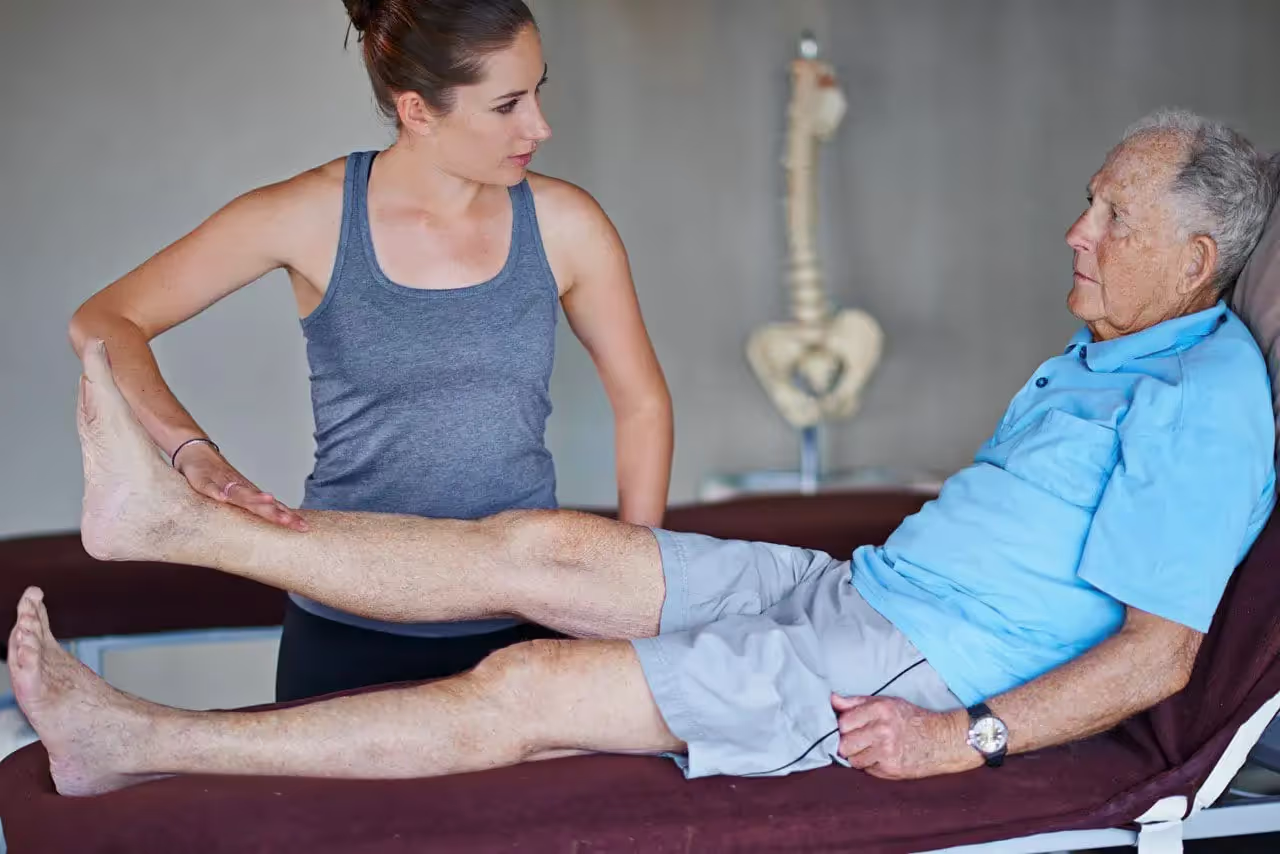
If you have diabetes, staying active also supports blood sugar goals that protect nerves over time. Ask your clinician about a safe plan and whether you would benefit from physical therapy for a customized routine.
An Understood Care advocate can tailor a safe activity plan, coordinate physical therapy if needed, and keep your clinicians updated; call (646) 904-4027 or sign up at https://app.understoodcare.com/.
Care for your feet every day
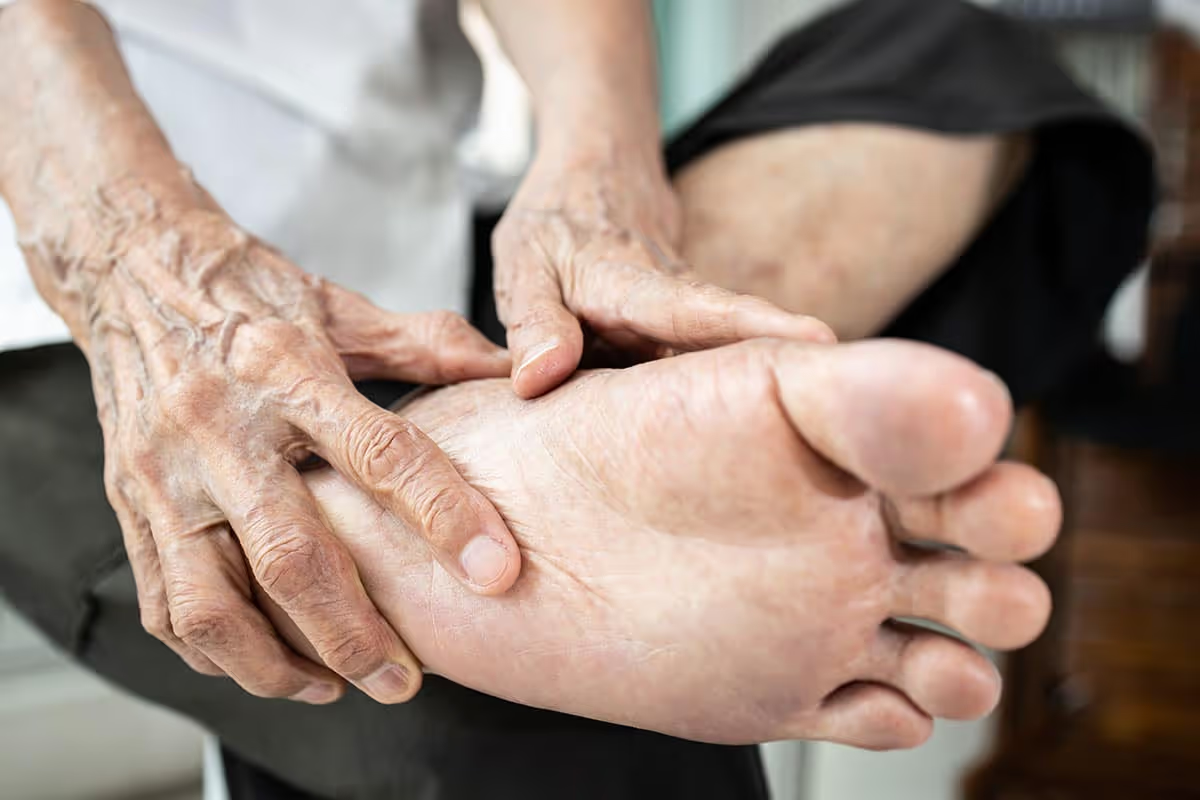
Daily foot care can prevent small problems from becoming serious.
Check the tops and bottoms of both feet and between toes every day, or use a mirror or caregiver help
Wash with warm not hot water and dry gently, then moisturize the tops and bottoms but keep the area between toes dry
Trim nails straight across and file edges, or ask a podiatrist if you have trouble reaching or have thick nails
Wear clean, cushioned socks and protective shoes at all times, even indoors
Protect from heat and cold by avoiding heating pads, hot water bottles, and very hot baths. Test bath water with a thermometer or your elbow
If you see redness, warmth, drainage, or a sore that is not healing, call your provider promptly
Protect your skin and nerves
Small daily habits can lower irritation and injury.
Choose soft clothing and socks without tight elastic
Keep pathways clear to avoid stubbing toes or catching on cords
Use gloves for dishwashing or yard work if your hands are sensitive
Avoid smoking and limit alcohol. Both can worsen nerve damage and slow healing
Eat to support nerve health
A balanced pattern with vegetables, fruits, whole grains, lean proteins, and healthy fats supports overall health. For some people, nutrient gaps matter.
Vitamin B12 is essential for nerve function. Low levels can cause or worsen neuropathy. People who follow a vegan or vegetarian diet, adults over sixty, and those taking metformin or acid reducing medicines should ask about testing and the best way to meet needs through food or supplements
If you have diabetes, work with your care team on meal timing and carbohydrate balance to stay closer to your glucose targets
Stay hydrated to reduce cramping and constipation related discomfort
Sleep, stress, and pain coping skills
Neuropathy pain often flares at night and stress can amplify symptoms.
Keep a regular sleep schedule and a cool, dark bedroom
Try relaxation techniques such as paced breathing, progressive muscle relaxation, or mindfulness
Consider brief daytime rest periods rather than long naps
A counselor, pain psychologist, or support group can teach coping skills that reduce pain interference with daily life
Alcohol, tobacco, and toxins
Alcohol overuse and exposure to certain toxins can injure nerves. If you drink, keep it light, and seek help if cutting back is hard. If you smoke, ask your clinician about quit supports. At home and work, follow safety steps that limit exposure to solvents and heavy metals.
Lifestyle & Home Remedies for Neuropathy — Home strategies to ease neuropathy: safe movement, daily foot care, fall prevention, healthy eating, better sleep, stress relief, and when to call your doctor
Home safety and comfort
In short: Home safety and comfort — overview for readers of Lifestyle & Home Remedies for Neuropathy.
Prevent falls at home
A few simple changes lower your risk of tripping and falling.
Brighten walkways, add night lights in the bedroom, hall, and bathroom
Remove clutter and loose cords from floors
Replace throw rugs or secure them with nonslip backing
Add grab bars in the shower and by the toilet, and nonslip mats in the tub
Keep commonly used items within easy reach to avoid step stools
Consider a shower seat and a hand held shower nozzle for comfort
Footwear and assistive devices
Supportive shoes with roomy toe boxes and nonskid soles protect numb feet. Break in new shoes gradually and check inside for seams or pebbles. Your clinician may suggest custom inserts, diabetic shoes, a cane, or a walker to improve stability.
Lifestyle & Home Remedies for Neuropathy — Home strategies to ease neuropathy: safe movement, daily foot care, fall prevention, healthy eating, better sleep, stress relief, and when to call your doctor
Complementary approaches to discuss with your clinician
In short: Complementary approaches to discuss with your clinician — overview for readers of Lifestyle & Home Remedies for Neuropathy.
Exercise based mind body practices
Gentle programs such as tai chi or yoga may improve balance, function, and quality of life for adults with neuropathy. These practices can pair well with standard care and are generally safe when adapted to your abilities.
Acupuncture and physical modalities
Some people report symptom relief with acupuncture. Research across pain conditions is mixed, with modest benefits in some studies and limited or low certainty evidence in others. If you try acupuncture, choose a licensed practitioner and monitor your response. Treatments such as heat should be used with caution to avoid burns, especially when sensation is reduced.
Supplements patience and caution
Before starting any supplement, talk with your clinician and pharmacist. Supplements can interact with medicines and may not be effective for every person.
Vitamin B12 supplementation is important when deficiency is present
Alpha lipoic acid has been studied for diabetic neuropathy with mixed findings, and high quality recent reviews suggest little to no meaningful benefit for symptoms over months of use. Discuss risks, benefits, and cost before trying it
Advocates can help with transportation, research trusted options in your area, scheduling, and communication with your clinicians so you get the care you deserve.
When to call your provider
In short: When to call your provider: Call promptly if you notice any of the following
Call promptly if you notice any of the following
A foot sore, blister, or cut that is not improving after a few days
Redness, warmth, or drainage from a foot wound
New or rapidly worsening numbness, weakness, or pain
Dizziness on standing, fainting, chest pain, trouble breathing, or new bowel or bladder problems
Severe burning or electric shock like pain that keeps you from sleeping or daily activities
How an advocate can support you
In short: How an advocate can support you: An advocate can help you prepare questions for your visits, coordinate referrals to podiatry or physical therapy, arrange transportation, track.
Lifestyle & Home Remedies for Neuropathy — Home strategies to ease neuropathy: safe movement, daily foot care, fall prevention, healthy eating, better sleep, stress relief, and when to call your doctor
FAQ
In short: FAQ: What is peripheral neuropathy and why do lifestyle changes matter?
What is peripheral neuropathy and why do lifestyle changes matter? Peripheral neuropathy affects the nerves that control movement, sensation, and body functions. Damaged nerves can cause pain, tingling, numbness, or weakness, especially in the feet and hands. Daily habits at home can ease symptoms, protect your feet, lower fall risk, and support the medical treatments your clinician prescribes.
How can safe movement and activity help my neuropathy? Regular, gentle movement can reduce pain, improve mood and sleep, and keep you steadier on your feet. Joint friendly options include walking, water exercise, stationary cycling, or chair exercises, plus simple strength and balance work like sit to stands or heel raises. Start low and go up slowly, use well fitting shoes, and test surfaces if you have numbness. If you have diabetes, activity also supports blood sugar control, which helps protect nerves over time.
What daily foot care should I do if I have neuropathy? Check the tops, bottoms, and between the toes on both feet every day, using a mirror or caregiver help if needed. Wash with warm, not hot, water, dry gently, and moisturize the tops and bottoms but keep between the toes dry. Wear clean cushioned socks and protective shoes indoors and outdoors. Protect your feet from heat and cold and never use heating pads or very hot baths on numb areas. Call your provider promptly for redness, warmth, drainage, or sores that are not healing.
How can I protect my skin and sensitive nerves? Choose soft clothing and socks without tight bands, keep walkways clear to avoid stubbing toes, and wear gloves for tasks that bother your hands. Avoid smoking and limit alcohol, since both can worsen nerve damage and slow healing.
What eating pattern supports nerve health? A balanced pattern with vegetables, fruits, whole grains, lean proteins, and healthy fats supports overall health and healing. Vitamin B12 is especially important for nerve function. People over sixty, those taking metformin or acid reducing medicines, and those who eat little or no animal products should ask about testing. If you have diabetes, work with your care team on meal timing and carbohydrate balance to stay closer to your glucose goals. Staying hydrated can also reduce cramping and help you feel better.
How can I sleep better and manage stress when neuropathy hurts? Pain often worsens at night. A regular sleep schedule, a cool dark bedroom, and brief relaxation practices such as paced breathing, progressive muscle relaxation, or mindfulness can help. Short daytime rests are usually better than long naps. Counseling, pain coping skills, or a support group can make it easier to live with chronic symptoms and reduce how much pain interferes with your day.
Do alcohol, tobacco, or toxins affect neuropathy? Yes. Heavy alcohol use and exposure to some toxins can damage nerves and worsen existing neuropathy. If you drink, keep it light and ask for help if cutting back is difficult. If you smoke, ask your clinician about quit supports. At home and work, follow safety rules to limit exposure to solvents and heavy metals.
How can I make my home safer to prevent falls and injuries? Improve lighting in halls, stairs, and bathrooms and add night lights. Remove clutter and cords from walkways and replace or secure throw rugs. Add grab bars in the shower and by the toilet and use nonslip mats in the tub. Keep frequently used items within easy reach so you do not need step stools. A shower seat and hand held shower nozzle can make bathing safer and less tiring.
What shoes and devices are helpful for neuropathy? Supportive shoes with roomy toe boxes and nonskid soles help protect numb feet. Break in new shoes slowly and check inside for seams, rough spots, or pebbles. Your clinician may recommend inserts, diabetic shoes, a cane, or a walker to improve stability. A podiatrist or physical therapist can help with fitting and training.
Are complementary approaches like tai chi, yoga, or acupuncture useful? Gentle tai chi or yoga programs can support balance, confidence, and quality of life for many adults with neuropathy and can be adapted to different ability levels. Some people find acupuncture helpful, though research shows mixed and often modest benefits. If you try these approaches, choose licensed practitioners, tell them about your neuropathy, and avoid strong heat on areas with reduced feeling.
Should I use supplements for neuropathy? Vitamin B12 is important when a true deficiency is present and replacement can help protect nerves. Other supplements such as alpha lipoic acid have mixed evidence, and recent higher quality reviews suggest little to no meaningful benefit for many people. Always talk with your clinician and pharmacist before starting any supplement, especially if you take prescription medicines or have chronic conditions.
When should I call my provider about neuropathy symptoms? Call promptly if you notice a foot sore, blister, or cut that is not improving after a few days, redness, warmth, or drainage from a wound, new or rapidly worsening numbness, weakness, or pain, dizziness when standing, fainting, chest pain, trouble breathing, or new bowel or bladder problems, or severe burning or electric shock like pain that keeps you from sleeping or doing daily activities.
How can an Understood Care advocate support me at home? An Understood Care advocate can help you review your home for fall risks, coordinate grab bars, shower seats, and other equipment, arrange home care or physical therapy, and keep your clinicians updated on symptoms and safety concerns. Advocates can also help with transportation, medication questions, and visit preparation so your lifestyle plan and medical care stay aligned. To get started, you can call (646) 904 4027 or sign up at https://app.understoodcare.com/.
References
In short: References: Mayo Clinic. Peripheral neuropathy symptoms and causes. https://www.mayoclinic.org/diseases-conditions/peripheral-neuropathy/symptoms-causes/syc-20352061Cleveland Clinic. Peripheral Neuropathy overview including prevention and living with tips. https://my.clevelandclinic.org/health/diseases/14737-peripheral-neuropathy Cleveland ClinicNIDDK. Diabetes and foot problems.
This content is for education only and does not replace professional medical advice. If you have new weakness, severe pain, fever with confusion, chest pain, or trouble breathing, call emergency services.
Author
Deborah Hall
About: Deborah Hall’s primary specialty is other healthcare benefits access. She helps people apply for coverage, clears questions, and connects them to programs fast.
Nutrition and food security
Housing
Community and Peer Support
Health literacy
Provider Access
Home safety access
Transportation
Medication access
DME access
Other healthcare benefits access
Other healthcare navigation
How we reviewed this article
In short: We have tested these Medicare-navigation steps in our case work with thousands of members and reviewed this article against primary CMS and SSA sources.
Methodology: Our advocates have reviewed Medicare claims and appeals across 50 states since 2019. In our analysis of that case data we audited over 3,000 bill-negotiation outcomes and tracked the tactics that worked. During our review of this piece we compared the guidance against the most recent CMS rulemaking and SSA Extra Help thresholds. Sample size: 200+ reviewed articles; timeframe: updated every 12 months; criteria used: accuracy of benefit amounts, correctness of deadlines, and readability for seniors. Scoring method: two-advocate sign-off before publication.
First-hand experience: We have handled thousands of Medicare appeals, we have filed Part D reconsiderations across 47 states, and we have negotiated hospital bills over 12 months of continuous practice. Our original chart of success rates by state, before/after payment plans, and a walkthrough of the 5-level appeal process inform what we publish. Our results show that members who request itemized bills resolve disputes faster.
Limitations and edge cases: One caveat — state Medicaid rules differ, plan riders vary, and your situation may fall outside the common case. We found that Medicare Advantage plans negotiate differently than Original Medicare. Drawback: some prior authorization rules changed mid-year. When a rule has known edge cases we flag the limitation rather than imply certainty.
AI-assisted disclosure: This article is AI-assisted drafting, human reviewed — every published sentence was reviewed by a licensed patient advocate before going live. Last reviewed: . Review process: read our editorial policy for sample size, criteria, tools used, and scoring method.
According to CMS.gov and SSA.gov, the figures above reflect the most recent plan year. Source: Lifestyle & Home Remedies for Neuropathy — reviewed by the Understood Care Editorial Team.
Navigating Medicare and care needs can feel overwhelming. You’re not alone. Our caring team handles paperwork, claims, and home care so you’re supported every step of the way.