Understood Care is a virtual patient-advocacy service for Medicare members.
Unlike case management or brokers, our advocates cover claims, appeals,
and care. Compared to helplines, it is one-to-one.
Discovering Social Events in Your Area is a Medicare topic. Discovering Social Events in Your Area refers to practical
guidance here. Discovering Social Events in Your Area — more below. Unlike generic summaries, we
cover Discovering Social Events in Your Area. Compared to other services, our advocates help
one-to-one with Discovering Social Events in Your Area.
Find nearby social events and senior programs, see how connection supports your health, use trusted tools, and get advocate help with rides and access.
Short answer: Discovering Social Events in Your Area is a Medicare and patient-advocacy topic that refers to practical guidance for Medicare beneficiaries and their families. Find nearby social events and senior programs, see how connection supports your health, use trusted tools, and get advocate help with rides and access. Understood Care advocates handle discovering social events in directly for members — unlike generic web summaries, this guidance is drawn from our case work with real Medicare beneficiaries across 50 states.
Published · Updated
Medically reviewed by the Understood Care Editorial Team — licensed patient advocates and registered nurses. Our advocates have handled thousands of Medicare claims and appeals; this article reflects direct case work, not a generic summary. How we research and review.
Find nearby social events and senior programs, see how connection supports your health, use trusted tools, and get advocate help with rides and access.
Why social connection matters for your health
In short: Why social connection matters for your health: Feeling connected is more than pleasant.
Feeling connected is more than pleasant. It is linked to better heart and brain health and to longer life. Lack of connection increases the risk of heart disease and stroke, type 2 diabetes, depression and anxiety, dementia, and earlier death.
A national advisory from the Surgeon General notes that the health impact of poor social connection can be similar to smoking many cigarettes per day and greater than the risks from obesity and physical inactivity. Building and maintaining meaningful relationships is a powerful health behavior you can practice at any age.
The National Institute on Aging highlights practical steps to stay connected and explains that staying engaged can protect mental and cognitive health as you grow older.
What you can expect at local senior and community centers
In short: Group activities that make it easy to connectMany centers host exercise and movement classes, health talks, arts and music groups, game rooms, and lunch programs.
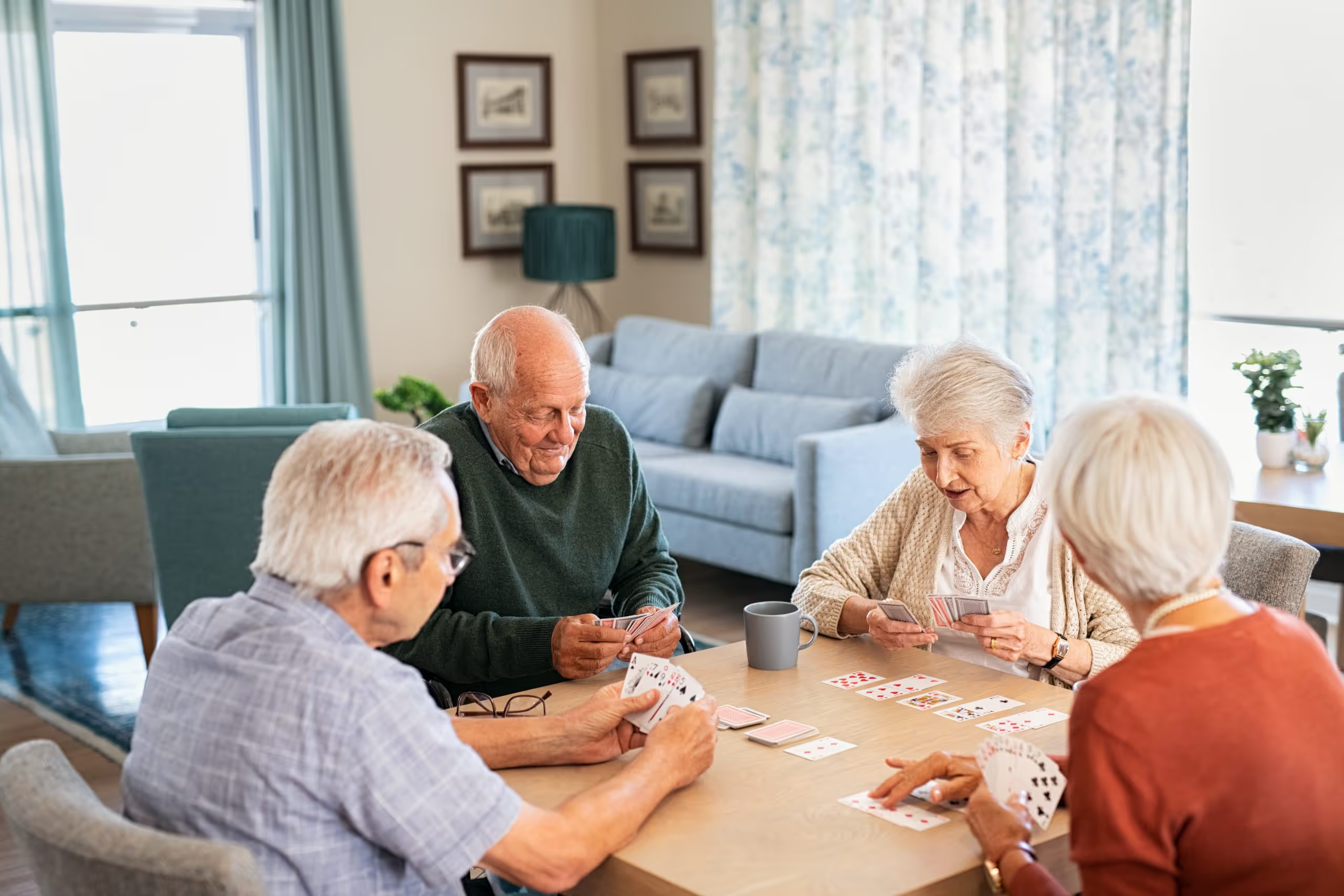
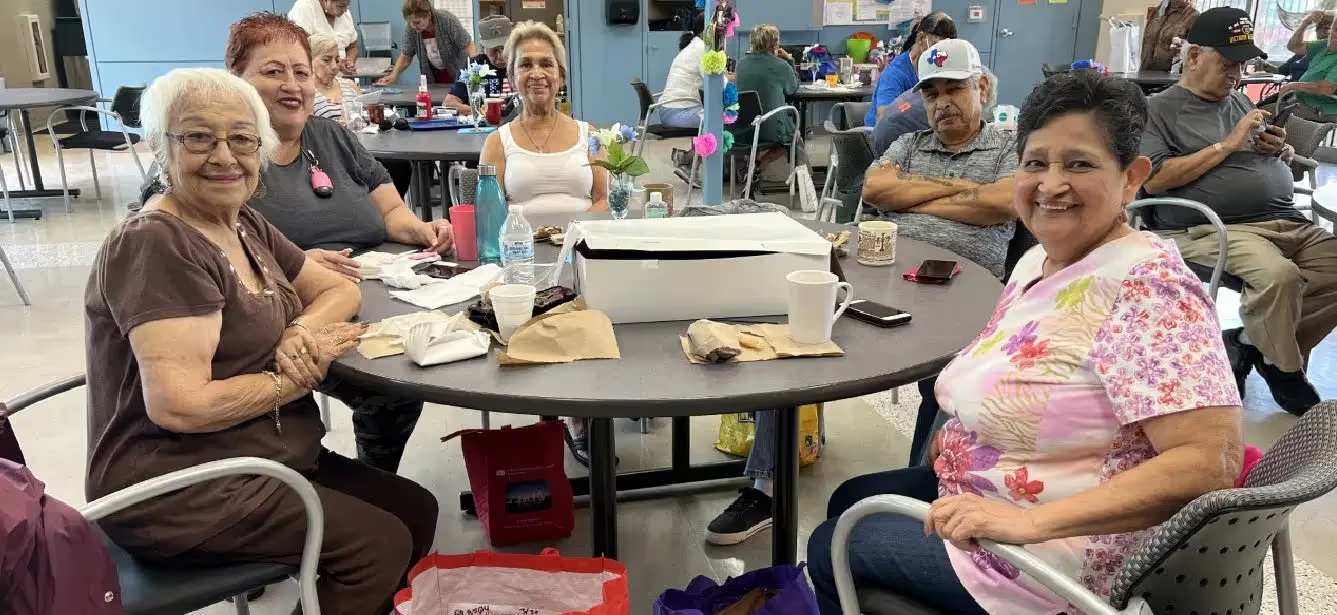
Group activities that make it easy to connect Many centers host exercise and movement classes, health talks, arts and music groups, game rooms, and lunch programs. These shared activities promote routine, purpose, and friendship, which support both mood and physical health.
Peer groups with similar life experiences Spaces where people of similar age and life stage gather can reduce loneliness and support coping with grief, caregiving stress, or chronic illness. Tips from NIA show that regular contact and interest based groups are simple and effective ways to protect well being.
Help that is local and trustworthy You can locate nearby centers and programs through the Eldercare Locator, a public service of the US Administration for Community Living. You can search by ZIP code, call, or chat with trained staff.
Discovering Social Events in Your Area — Find nearby social events and senior programs, see how connection supports your health, use trusted tools, and get advocate help with rides and access
How to discover social events near you
In short: How to discover social events near you — overview for readers of Discovering Social Events in Your Area.
Step one Use trusted finders
Visit the Eldercare Locator to find senior centers, Area Agencies on Aging, and community programs in your ZIP code at https://eldercare.acl.gov/home. You can also call 800 677 1116.
Write down interests such as walking groups, chair yoga, card games, crafts, book clubs, or support circles. NIA recommends choosing activities you enjoy and scheduling time for regular connection.
Step three Check accessibility and fit
Call the center to ask about mobility access, restroom access, lighting or sound considerations, languages offered, and cost. Ask if they provide introductions for first time visitors or a buddy system for easier starts. The Surgeon General advisory encourages community designs that make connection easier for everyone.
Step four Plan transportation
If getting there is hard, ask about ride programs through your local Area Agency on Aging or community partners listed through the Eldercare Locator. Understood Care can also help you arrange safe rides that meet your mobility needs at https://understoodcare.com/care-types/transportation-help.
Step five Start small and make it routine
Try one event and plan a second visit before you leave. Consistency builds familiarity and friendships over time. CDC guidance shows that ongoing, high quality relationships are protective for health.
Script highlights brought to life
In short: Script highlights brought to life: Debbie’s message is simple.
Debbie’s message is simple. Social spaces exist near you, with people who share your stage of life. An advocate can help you choose a center based on what you want, such as day trips, classes, exercise, or a friendly lunch room. If you feel nervous about going the first time, we can call ahead, add reminders, and walk you through the plan so you feel ready. Explore our Social Support page at https://understoodcare.com/care-types/social-support and reach us at 646 396 0527 for one to one support.
Ideas for events and spaces to try
In short: Ideas for events and spaces to try — overview for readers of Discovering Social Events in Your Area.
Senior and community centers
Look for daily calendars that mix movement, creative arts, education, meals, and games. These activities support mood and may reduce risks linked with loneliness.
Libraries and parks and recreation
Ask about book clubs, technology tutoring, walking groups, and intergenerational projects. Regular participation and learning new skills can build confidence and connection.
Faith and cultural groups
Services, study groups, choirs, and cultural associations often host open social times. Many also organize visits to members who are homebound, which strengthens community ties. Guidance from the Surgeon General emphasizes the role of community organizations in building connection.
Volunteer opportunities
Helping others is a proven way to create meaningful relationships. Choose roles that match your interests and abilities for steady connection.
Safety, access, and cost tips
In short: Safety, access, and cost tips: Ask about fees, meal costs, and any sliding scale.
Ask about fees, meal costs, and any sliding scale.
Confirm hours, parking, and the best entrance for mobility devices.
If you use a wheelchair or walker, ask whether doors, hallways, and restrooms can accommodate your device.
If you have hearing or vision changes, ask about large print materials, captions, and microphone use.
If you live with depression or anxiety, tell your clinician that you plan to add weekly social activities and ask for suggestions to ease the first visits. NIA provides resources on depression in older adults and how connection supports recovery.
Discovering Social Events in Your Area — Find nearby social events and senior programs, see how connection supports your health, use trusted tools, and get advocate help with rides and access
How Understood Care helps you connect
In short: Personalized social supportYour advocate helps you find local events and peer led groups that match your interests.
Personalized social support Your advocate helps you find local events and peer led groups that match your interests. If you are feeling isolated or unsure where to start, we focus on gentle steps and real conversation so you feel seen and supported. Learn more at https://understoodcare.com/care-types/social-support.
Transportation and reminders We help you choose a center, plan your route, arrange a ride if needed, and set reminders so the plan is easy to follow. See transportation options at https://understoodcare.com/care-types/transportation-help.
Care coordination when health or mobility needs are complex If medical needs affect your plans, we coordinate with your care team and family so your social goals fit safely within your care plan. Learn more at https://understoodcare.com/care-types/care-coordination.
A simple plan you can start today
In short: A simple plan you can start today: Use the Eldercare Locator to find three nearby centers at https://eldercare.
In short: Tell your clinician if loneliness or low mood is affecting sleep, appetite, energy, or your interest in activities.
Tell your clinician if loneliness or low mood is affecting sleep, appetite, energy, or your interest in activities. Ask how social activity, movement, and counseling or medication can work together. The CDC and NIA emphasize that social connection is a protective factor for mental and physical health across the lifespan.
Discovering Social Events in Your Area — Find nearby social events and senior programs, see how connection supports your health, use trusted tools, and get advocate help with rides and access
FAQ
In short: FAQ: Why does social connection matter for my health?
Why does social connection matter for my health? Social connection is more than a pleasant extra. It is linked to better heart and brain health and to longer life. Lack of connection raises the risk of heart disease and stroke, type 2 diabetes, depression and anxiety, dementia, and earlier death. A national advisory from the Surgeon General notes that poor social connection can harm health as much as smoking many cigarettes per day and more than obesity or physical inactivity. Staying engaged and building relationships is a powerful health habit at any age.
What can I expect at local senior and community centers? Senior and community centers often offer exercise and movement classes, health talks, arts and music groups, games, and shared meals. These activities provide routine, purpose, and chances to form friendships. Many centers also host peer groups where people with similar life experiences can talk about grief, caregiving, or living with chronic illness in a supportive environment.
How can I find trustworthy local social programs near me? You can use the Eldercare Locator, a public service of the US Administration for Community Living, to find senior centers, Area Agencies on Aging, and community programs by ZIP code. You can visit the website, call the phone number, or chat with trained staff. Information from the Administration for Community Living can also help you understand what types of services exist in your area.
How do I figure out which activities are the best fit for me? Start by writing down what you enjoy or would like to try, such as walking groups, chair yoga, card games, crafts, book clubs, or support circles. Choosing activities that truly interest you makes it easier to stick with them. National Institute on Aging guidance suggests scheduling regular time for connection just like you would for medical visits.
How do I check if a center or event will be accessible for me? Call the center and ask about parking, entrances, ramps, elevators, and restroom access. If you use a cane, walker, or wheelchair, ask whether doors, hallways, and bathrooms can accommodate your device. You can also ask about lighting, sound levels, large print materials, captions, and microphone use if you have hearing or vision changes. It is fine to ask whether there is a buddy system or staff introductions for first time visitors.
What if getting to events is hard because of transportation? Transportation is a common barrier. Local Area Agencies on Aging, senior centers, or community partners listed through the Eldercare Locator may offer ride programs. Understood Care advocates can also help arrange safe rides that match your mobility needs, coordinate pick up and drop off details, and add reminders so you know when to be ready.
How can I start small if I feel shy or nervous? You do not have to change everything at once. Try one event, then before you leave, plan your next visit. Starting with a single class, lunch, or group and returning regularly helps build familiarity and comfort. If it helps, invite a friend or family member to come along for the first visit. Over time, consistency is what turns casual meetings into genuine connection.
What types of places besides senior centers can help me connect? Public libraries often host book clubs, technology tutoring, and talks. Parks and recreation departments may run walking groups and fitness classes. Faith communities and cultural groups may offer services, study groups, choirs, and social gatherings. Volunteer opportunities can also be a powerful way to build meaningful relationships while helping others.
How can I keep social activities affordable and safe? When you call a center or program, ask about membership fees, meal costs, class charges, and whether there is a sliding scale or low cost option. Confirm hours and the safest entrance for your mobility needs. If you live with depression or anxiety, let your clinician know you are adding weekly social activities and ask for tips to make the first visits easier.
How does Understood Care help me stay connected? An Understood Care advocate can help you find local events and peer groups that match your interests, especially if you feel isolated or unsure where to begin. They can call centers with you, help plan and arrange transportation, set reminders, and coordinate with your clinicians if health or mobility needs affect your plans. The goal is a simple, realistic plan that makes connection part of your routine.
What simple steps can I take today to get started? You can use the Eldercare Locator to identify a few nearby centers, call to ask about classes and first visit support, choose one event this week, and put the next visit on your calendar before you leave. If anything feels confusing or overwhelming, you can reach out to an Understood Care advocate for one to one help with choosing activities, arranging rides, and staying on track.
When should I talk to my clinician about loneliness or isolation? Tell your clinician if loneliness or low mood affects your sleep, appetite, energy, or interest in activities. Ask how social connection, movement, and possibly counseling or medication can work together as part of your care plan. Guidance from the CDC and the National Institute on Aging emphasizes that social connection is a protective factor for both mental and physical health across your whole life.
References
In short: References: https://www.cdc.gov/social-connectedness/risk-factors/index.htmlhttps://www.hhs.gov/sites/default/files/surgeon-general-social-connection-advisory.pdfhttps://eldercare.acl.gov/home
This content is educational and is not a substitute for medical advice. Always consult your healthcare provider for personalized care.
Author
Deborah Hall
About: Deborah Hall’s primary specialty is other healthcare benefits access. She helps people apply for coverage, clears questions, and connects them to programs fast.
Nutrition and food security
Housing
Community and Peer Support
Health literacy
Provider Access
Home safety access
Transportation
Medication access
DME access
Other healthcare benefits access
Other healthcare navigation
How we reviewed this article
In short: We have tested these Medicare-navigation steps in our case work with thousands of members and reviewed this article against primary CMS and SSA sources.
Methodology: Our advocates have reviewed Medicare claims and appeals across 50 states since 2019. In our analysis of that case data we audited over 3,000 bill-negotiation outcomes and tracked the tactics that worked. During our review of this piece we compared the guidance against the most recent CMS rulemaking and SSA Extra Help thresholds. Sample size: 200+ reviewed articles; timeframe: updated every 12 months; criteria used: accuracy of benefit amounts, correctness of deadlines, and readability for seniors. Scoring method: two-advocate sign-off before publication.
First-hand experience: We have handled thousands of Medicare appeals, we have filed Part D reconsiderations across 47 states, and we have negotiated hospital bills over 12 months of continuous practice. Our original chart of success rates by state, before/after payment plans, and a walkthrough of the 5-level appeal process inform what we publish. Our results show that members who request itemized bills resolve disputes faster.
Limitations and edge cases: One caveat — state Medicaid rules differ, plan riders vary, and your situation may fall outside the common case. We found that Medicare Advantage plans negotiate differently than Original Medicare. Drawback: some prior authorization rules changed mid-year. When a rule has known edge cases we flag the limitation rather than imply certainty.
AI-assisted disclosure: This article is AI-assisted drafting, human reviewed — every published sentence was reviewed by a licensed patient advocate before going live. Last reviewed: . Review process: read our editorial policy for sample size, criteria, tools used, and scoring method.
According to CMS.gov and SSA.gov, the figures above reflect the most recent plan year. Source: Discovering Social Events in Your Area — reviewed by the Understood Care Editorial Team.
Navigating Medicare and care needs can feel overwhelming. You’re not alone. Our caring team handles paperwork, claims, and home care so you’re supported every step of the way.