Understood Care is a virtual patient-advocacy service for Medicare members.
Unlike case management or brokers, our advocates cover claims, appeals,
and care. Compared to helplines, it is one-to-one.
Community and Peer Support is a Medicare topic. Community and Peer Support refers to practical
guidance here. Community and Peer Support — more below. Unlike generic summaries, we
cover Community and Peer Support. Compared to other services, our advocates help
one-to-one with Community and Peer Support.
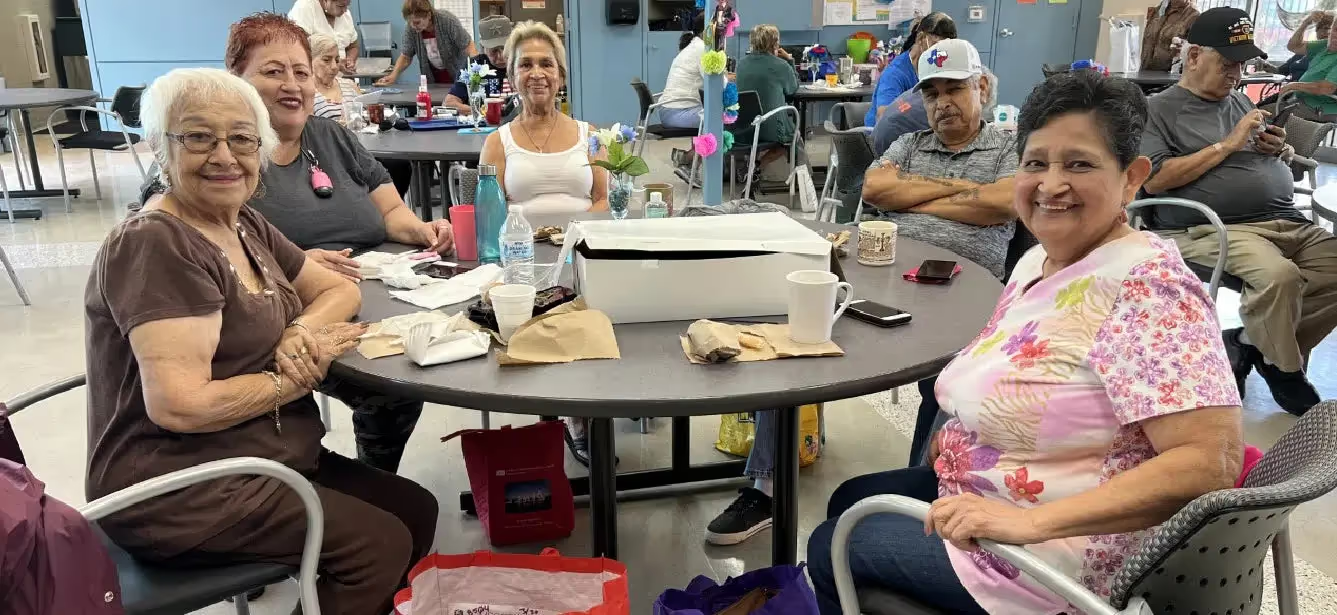
Discover how community and peer support improve health, ease loneliness, and build coping skills, with tips to find safe groups and get the most from them.
Short answer: Community and Peer Support is a Medicare and patient-advocacy topic that refers to practical guidance for Medicare beneficiaries and their families. Discover how community and peer support improve health, ease loneliness, and build coping skills, with tips to find safe groups and get the most from them. Understood Care advocates handle community and peer support directly for members — unlike generic web summaries, this guidance is drawn from our case work with real Medicare beneficiaries across 50 states.
Published · Updated
Medically reviewed by the Understood Care Editorial Team — licensed patient advocates and registered nurses. Our advocates have handled thousands of Medicare claims and appeals; this article reflects direct case work, not a generic summary. How we research and review.
Discover how community and peer support improve health, ease loneliness, and build coping skills, with tips to find safe groups and get the most from them.
Introduction
In short: Introduction: Community and peer support bring people together to share understanding, practical tips, and encouragement.
Community and peer support bring people together to share understanding, practical tips, and encouragement. If you are managing a health condition, caring for a loved one, or feeling isolated, connecting with others who have similar experiences can ease stress and help you stay engaged in care. This guide explains the benefits, where to find support, and how to get started with confidence. Understood Care advocates can help you access Community and Peer Support, arrange transportation, and set up shared calendars and reminders so your schedule stays on track
What community and peer support means
In short: What community and peer support means: Peer support is connection with people who have lived experience that matches your own.
Peer support is connection with people who have lived experience that matches your own. Community support includes groups, programs, and local resources that help you feel less alone and more prepared. These settings are built on listening, respect, and shared problem solving.
Common formats
In person support groups at hospitals, clinics, community centers, senior centers, and faith based organizations
Condition specific groups for cancer, heart disease, COPD, diabetes, chronic pain, dementia, and more
Grief and bereavement circles for people and families coping with loss
Recovery and mental health peer programs that pair you with trained peers
Online forums, moderated chat groups, and video groups that meet on a schedule
Community and Peer Support — Discover how community and peer support improve health, ease loneliness, and build coping skills, with tips to find safe groups and get the most from them
Why social connection matters for your health
In short: Why social connection matters for your health: Strong social ties are linked with better well being and even longer life.
Strong social ties are linked with better well being and even longer life. Feeling isolated or lonely can raise risks for heart disease, stroke, type 2 diabetes, dementia, depression, anxiety, and earlier death. Supportive relationships can help you manage symptoms, stick with treatment, and build resilience.
How groups can help
You feel less alone and more understood
You learn coping skills and practical tips that fit real life
You stay motivated to follow treatment plans and healthy routines
You gain a sense of hope, control, and empowerment
You learn about care options, questions to ask, and resources to try
What community support looks like
In short: What community support looks like: Every group is a little different.
Every group is a little different. Some are led by trained peers, others by clinicians, social workers, chaplains, or community health workers. Meetings may include short education segments, open sharing, and time for questions. Many programs also offer one to one peer matching, telephone support, or moderated online spaces.
Signs of a quality program
Clear purpose and ground rules that protect privacy and respect
Trained facilitators or peer specialists with supervision and referral pathways
Accessibility features such as wheelchair access, language support, and virtual options
A plan for crises and clear guidance on when to involve clinical care
Where to find groups and programs
In short: Where to find groups and programs: Start with your care team, local hospital, senior center, or health department.
Start with your care team, local hospital, senior center, or health department. Cancer centers, heart and lung programs, and memory care clinics often host groups for both patients and caregivers. Libraries, community centers, and faith communities may offer general wellness or grief circles. If travel is hard, look for phone or video based options through reputable health systems or national organizations. Understood Care advocates can search and vet options for you, including disease specific, caregiver, identity based, language specific, faith based, grief, and online communities, then help you enroll, arrange transportation such as paratransit, non emergency medical transport, rideshare vouchers, volunteer drivers, or local shuttles, and set up shared calendars and reminders so you can stay organized and supported.
Community and Peer Support — Discover how community and peer support improve health, ease loneliness, and build coping skills, with tips to find safe groups and get the most from them
Tips to get the most out of peer support
In short: Tips to get the most out of peer support: Set a gentle goal for your first meeting, such as listening and learning.
Set a gentle goal for your first meeting, such as listening and learning. Your Understood Care advocate can help define that goal and find a group that matches it.
Share only what feels comfortable and protect your personal details. Your advocate can guide safe sharing and privacy settings.
Take notes on ideas that might help you talk with your provider. Your advocate can capture key points and add them to your visit plan.
Try at least two or three sessions before deciding if a group fits your needs. Your advocate can check in and refine the match based on your feedback.
If a group is not a match, ask the facilitator for alternatives. Your Understood Care advocate can search, vet, and enroll you in options that are exactly what you are looking for.
Online and app based support
In short: Virtual groups and moderated forums can be helpful if you live far from services or prefer meeting from home.
Virtual groups and moderated forums can be helpful if you live far from services or prefer meeting from home. Choose platforms connected to recognized health systems or national organizations. Look for moderator presence, clear community guidelines, and options to report concerns. Online support can complement care, not replace medical treatment.
Support for caregivers and families
In short: Support for caregivers and families: Caregiving can bring heavy responsibilities and mixed emotions.
Caregiving can bring heavy responsibilities and mixed emotions. Family and caregiver groups offer space to share strategies for daily tasks, understand disease changes, and manage stress. These groups often cover planning, communication, self care, and navigating benefits. Many cancer centers and memory clinics host sessions for spouses, adult children, and friends.
How Understood Care advocates can help you connect
In short: If you want support but do not know where to begin, an advocate can help you find safe, trusted options that match your goals and schedule.
In short: When to seek more help: Peer support is a complement to care.
Peer support is a complement to care. Contact your clinician if you notice new or worsening symptoms, thoughts of self harm, or difficulty managing daily life. In an emergency, call your local emergency number right away.
Community and Peer Support — Discover how community and peer support improve health, ease loneliness, and build coping skills, with tips to find safe groups and get the most from them
FAQ
In short: FAQ: What is online or app based support?
What is online or app based support? Online and app based support includes virtual groups, video meetings, and moderated forums you access from your phone or computer. It can be useful if you live far from services, have limited transportation, or feel more comfortable joining from home.
How do I choose a safe online or app based support group? Look for platforms connected to recognized health systems or national organizations. Check that there is an active moderator, clear community guidelines, and easy ways to report concerns or block unsafe users.
Can online support replace my medical care or therapy? No. Online and app based groups are meant to complement care, not replace medical treatment or professional counseling. Always discuss new concerns or major changes with your clinician.
What kinds of support exist for caregivers and families? Caregivers and families can join groups that focus on daily care tasks, behavior or symptom changes, communication, planning for the future, and managing stress. Many cancer centers and memory clinics offer groups for spouses, adult children, and close friends.
Why are caregiver support groups helpful? These groups provide a place to share practical tips, understand what to expect as illness changes, and talk with others who know what caregiving feels like. They can reduce isolation and help you protect your own health while caring for someone else.
How can an Understood Care advocate help me find the right group? An advocate can help you choose safe, trusted groups that match your health needs, interests, and schedule. They can check whether a group is reputable, explain what to expect, and help you decide which options feel most comfortable.
Can an advocate help with logistics like rides or technology? Yes. Advocates can coordinate transportation for in person groups, help you set up apps or video visits, and prepare questions for group facilitators. They can also help you follow up on resources you learn about in group.
How do advocates keep my care team informed about group support? With your permission, an advocate can share key insights from your support groups with your clinicians. This helps your care plan reflect what matters most to you, including coping goals, daily challenges, and community resources that are helping.
When should I contact my clinician instead of relying on peer support? Reach out to your clinician if you notice new or worsening physical symptoms, changes in mood, increased anxiety, or trouble managing daily life. Peer support is helpful, but it is not a substitute for medical or mental health care.
What should I do in a crisis or emergency? If you have thoughts of self harm, feel unsafe, or notice signs of a medical emergency, call your local emergency number right away. Use peer support and advocacy for ongoing help, but always treat urgent safety concerns as emergencies.
References
In short: References: Centers for Disease Control and Prevention.
Thompson DM, et al. Peer support for people with chronic conditions: a systematic review of reviews https://pubmed.ncbi.nlm.nih.gov/35361215/
This content is for education only and does not replace professional medical advice. If you have new weakness, severe pain, fever with confusion, chest pain, or trouble breathing, call emergency services.
Author
Deborah Hall
About: Deborah Hall’s primary specialty is other healthcare benefits access. She helps people apply for coverage, clears questions, and connects them to programs fast.
Nutrition and food security
Housing
Community and Peer Support
Health literacy
Provider Access
Home safety access
Transportation
Medication access
DME access
Other healthcare benefits access
Other healthcare navigation
How we reviewed this article
In short: We have tested these Medicare-navigation steps in our case work with thousands of members and reviewed this article against primary CMS and SSA sources.
Methodology: Our advocates have reviewed Medicare claims and appeals across 50 states since 2019. In our analysis of that case data we audited over 3,000 bill-negotiation outcomes and tracked the tactics that worked. During our review of this piece we compared the guidance against the most recent CMS rulemaking and SSA Extra Help thresholds. Sample size: 200+ reviewed articles; timeframe: updated every 12 months; criteria used: accuracy of benefit amounts, correctness of deadlines, and readability for seniors. Scoring method: two-advocate sign-off before publication.
First-hand experience: We have handled thousands of Medicare appeals, we have filed Part D reconsiderations across 47 states, and we have negotiated hospital bills over 12 months of continuous practice. Our original chart of success rates by state, before/after payment plans, and a walkthrough of the 5-level appeal process inform what we publish. Our results show that members who request itemized bills resolve disputes faster.
Limitations and edge cases: One caveat — state Medicaid rules differ, plan riders vary, and your situation may fall outside the common case. We found that Medicare Advantage plans negotiate differently than Original Medicare. Drawback: some prior authorization rules changed mid-year. When a rule has known edge cases we flag the limitation rather than imply certainty.
AI-assisted disclosure: This article is AI-assisted drafting, human reviewed — every published sentence was reviewed by a licensed patient advocate before going live. Last reviewed: . Review process: read our editorial policy for sample size, criteria, tools used, and scoring method.
According to CMS.gov and SSA.gov, the figures above reflect the most recent plan year. Source: Community and Peer Support — reviewed by the Understood Care Editorial Team.
Navigating Medicare and care needs can feel overwhelming. You’re not alone. Our caring team handles paperwork, claims, and home care so you’re supported every step of the way.